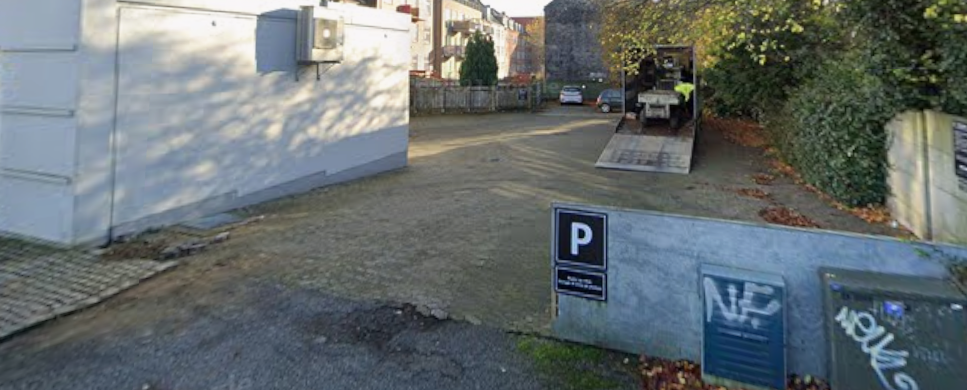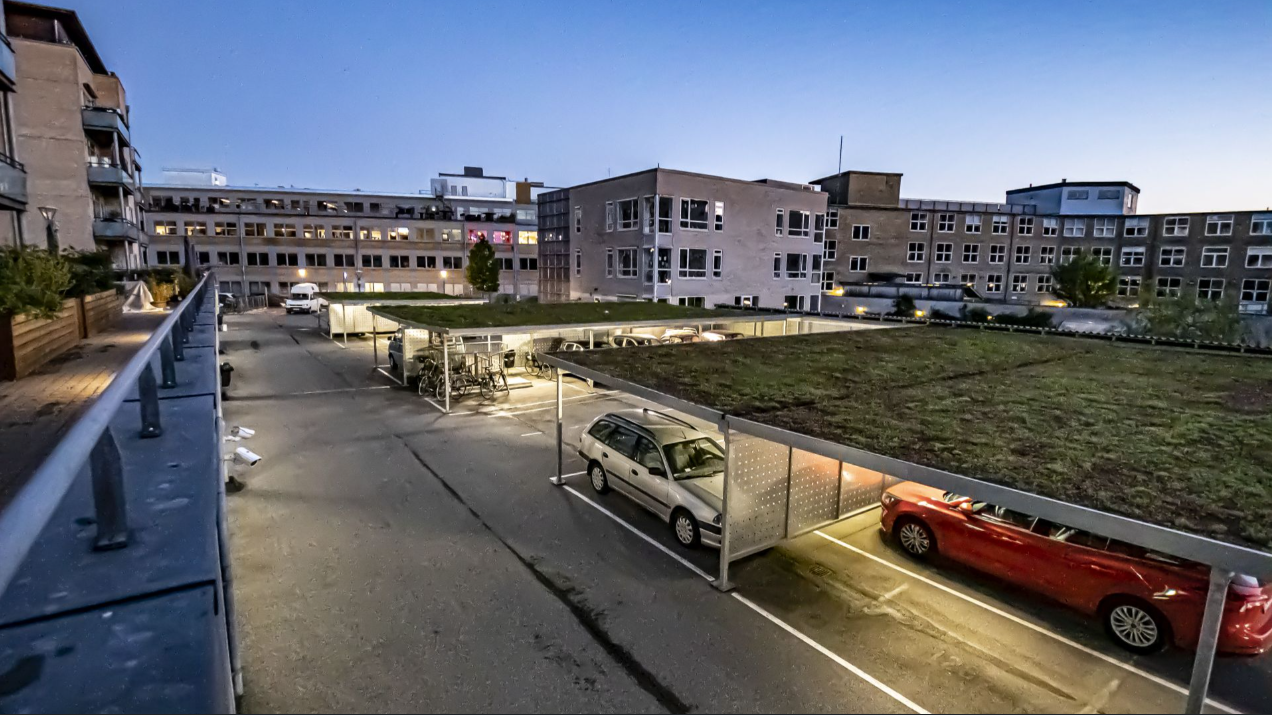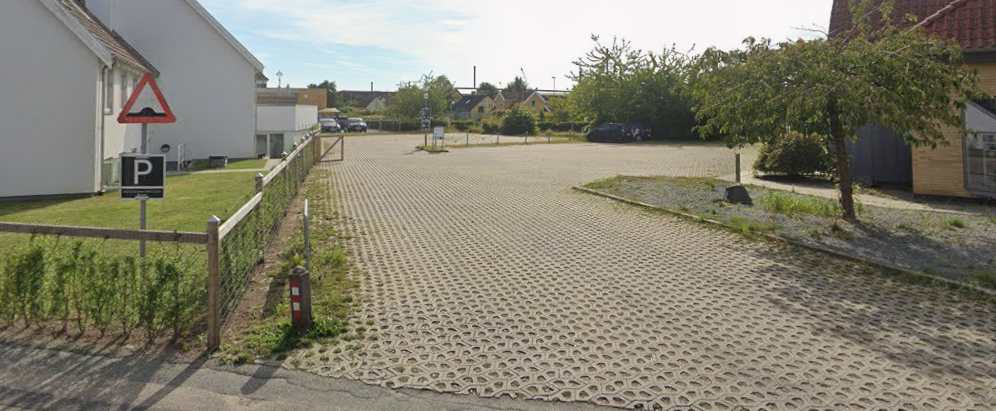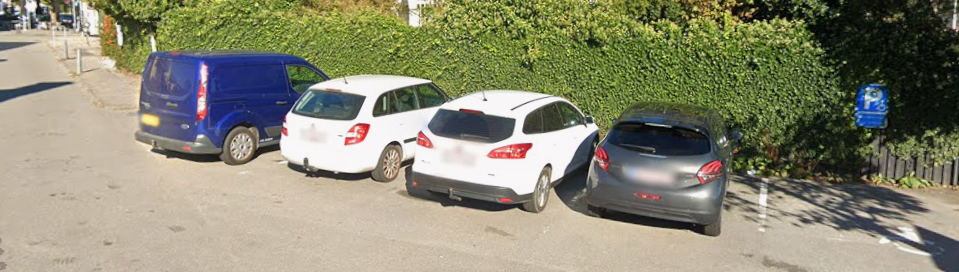
A space that stays theirs
Give a tenant, a resident or a member their own numbered space, and let the platform keep it theirs. Cameras watch the individual space, not just the entrance, so a car that has no right to be there is picked up automatically.
A reserved space is only reserved if somebody checks
A painted number and a sign ask politely. They do not stop the delivery van, the visitor who could not find anywhere else, or the neighbour who assumed nobody was coming. By the time the person who pays for the space calls you, the car has usually gone, and you are left apologising for something you cannot prove happened.
- The space is paid for every month but cannot be relied on
- Complaints arrive hours after the car has left
- Sending someone out to look rarely catches anything
- Nothing on paper to show the tenant, or to act on
What you get
Reserved parking is not a separate product. It is your existing sections and spaces, with a camera looking at the ones that matter and the platform checking each stay against who holds that space.
Named sections and spaces
Split a site into sections, then name or number the individual spaces inside them. The platform holds the same structure your signage already uses.
A space tied to a plate
Assign a space to a specific vehicle, with a capacity limit if more than one plate should be able to use it. The assignment is what enforcement is checked against.
Cameras aimed at single spaces
A camera can be dedicated to one or more specific spaces, with its own detection area per space, rather than only reading plates at the entrance.
Unauthorised stays picked up automatically
Every stay in a watched space is checked against the permits and subscriptions that actually cover that space. No match, and a case is raised without anyone having to be there.
Photo evidence at both ends
Each case carries an image from when the vehicle arrived and when it left, along with the plate, the times and the total stay.
Nothing issued without review
Cases land in a queue as unhandled. Someone looks at the photos and the history, then approves or rejects. Only an approved case becomes a real notice.
Checked against the space, not just the site
The difference between a barrier that asks "may this car come in" and a camera that asks "may this car be in space 14".
The space has an owner
Space 14 is assigned to a plate. That assignment is the rule the rest of the flow is measured against.
A car settles into it
The camera covering space 14 reads the plate and opens a stay against that exact space, with an image of the arrival.
The platform checks that space
Does this plate hold a permit or a subscription for space 14? Being allowed elsewhere on the site is not enough.
A case is raised, not a notice
No match, and an unhandled case appears with both photos and the full stay. You approve it to issue, or reject it and it goes no further.
Setting it up
The structure usually already exists on your signage, so most of this is describing what is on the ground.
Walk the site
We look at which bays are reserved and where a camera can see them from, which decides how many cameras it takes.
Map sections and spaces
Enter the sections and the individual spaces, matching the numbers already painted on the ground.
Assign the spaces
Tie each reserved space to the plate that holds it, and set how many vehicles may use it.
Point a camera at them
Set up a camera for those spaces and mark a detection area for each one, so a stay is attributed to the right space.
Switch the checks on
Turn on automatic checking for the site. From then on, every stay in a watched space is measured against who holds it.
Site level and space level, on the same car park
Most operators need both. They answer different questions and they can run side by side.
Cameras at the entrance
Read every plate coming in and going out and treat the site as one area. Right for pay-on-exit, permit-only access and free-flow, where the question is whether the vehicle belongs on the property at all.
- One stay per visit to the site
- Drives barrier decisions and occupancy counts
- Cannot tell which space a car actually used
Cameras on the spaces
Watch named spaces individually and open a stay per space. Right for reserved bays, where a vehicle can be perfectly entitled to be on site and still be in the wrong place.
- One stay per space, per vehicle
- Checked against whoever holds that space
- Catches the case a gate can never see
Book a specific space ahead of time
For sites where the space is the product, a driver can reserve a named bay in advance and arrive knowing exactly where they are going.
- 1
Pick the space
The driver chooses a named bay for a date and a period, rather than taking their chances on arrival.
- 2
The plate is registered against it
The booking ties their plate to that space for the window they booked, which is what the cameras then check.
- 3
It is held for them
For the length of the booking, any other vehicle in that space is treated as unauthorised.
When somebody takes the space anyway
Detection is only half of it. The person who holds the bay still needs somewhere to put their car.
A warden is alerted
The moment an unauthorised vehicle is detected in a reserved bay, the people responsible for the site are notified, so it can be dealt with while the car is still there.
The driver is offered another space
The person who holds the bay is told their space is occupied and given an alternative one to use instead, so they are not left circling.
Where a named space is the whole point
Anywhere someone pays for a specific place to put their car, rather than for the chance of finding one.
Housing associations
Residents pay for a named bay and expect it to be free when they get home from work.
Offices and business parks
Allocated bays per tenant, per floor or per lease, with the count changing as tenants come and go.
Retail and mixed use
Staff and tenant bays that need to stay out of the general customer pool.
Members and subscribers
A monthly space as a product in its own right, priced higher precisely because it is guaranteed.
Enough on file to stand behind it
A reserved-space case is only worth raising if it holds up when the driver disputes it.
- Both ends photographed. An image from arrival and one from departure, tied to the plate the camera read.
- The full stay recorded. Arrival, departure and total time in the space, so the length of the stay is never in question.
- The space named. The case records which space it happened in, not just which car park.
- A person in the loop. Every case is reviewed and either approved or rejected before anything reaches the driver.
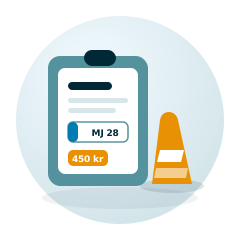
- Space
- 14, Section B
- Total stay
- 9 h 38 min
- Vehicle
- Volkswagen Passat
- Cover found
- None

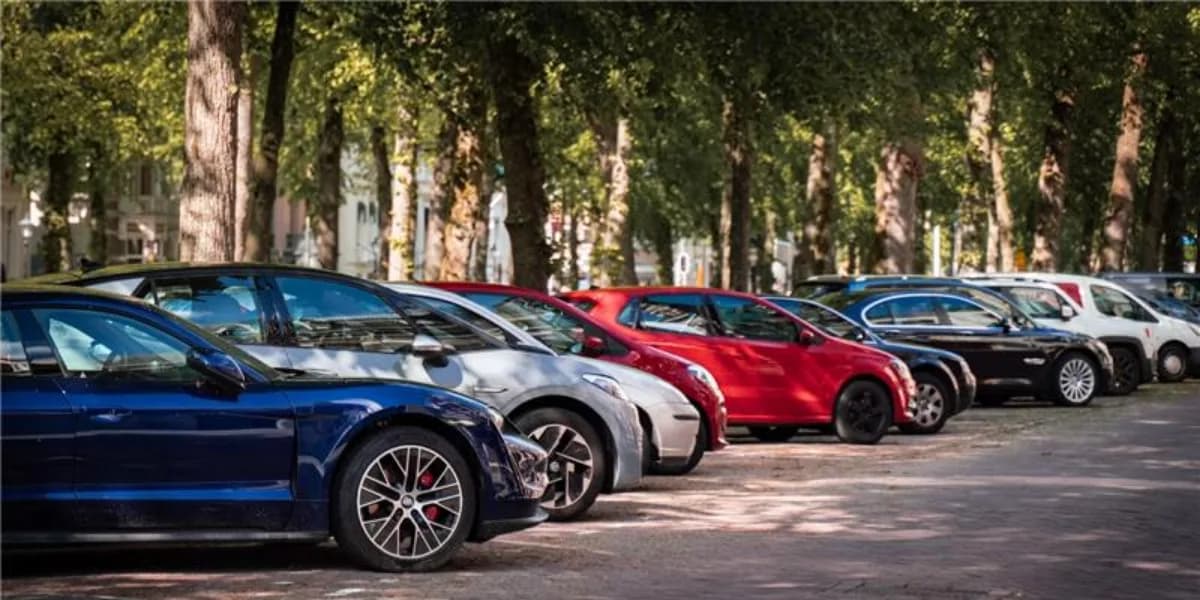
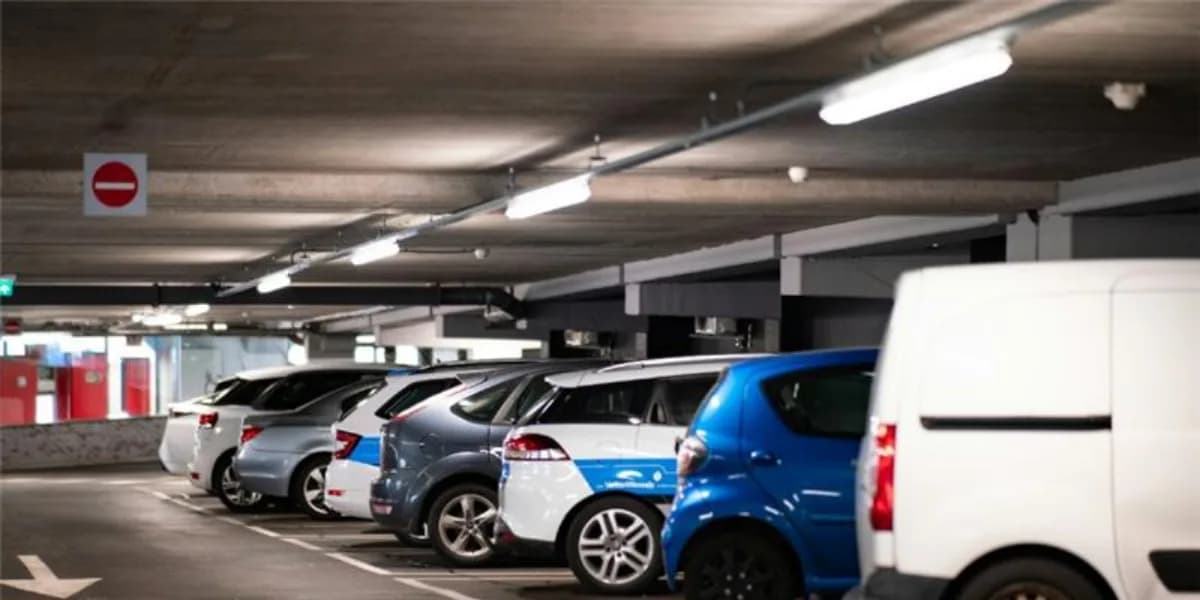
Reserved bays in every kind of property
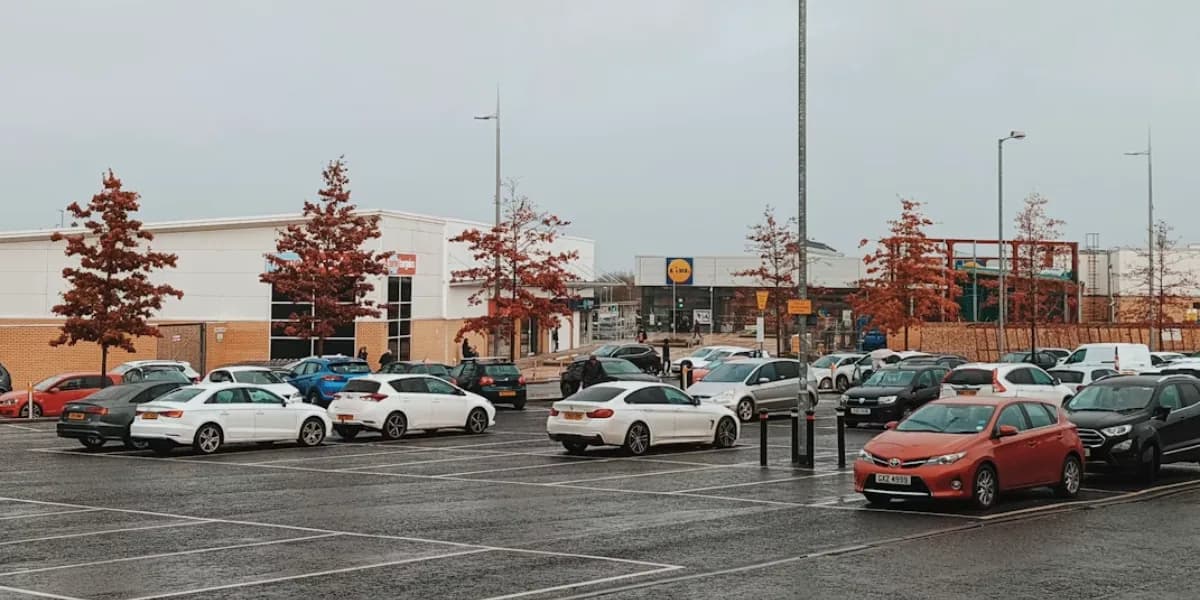
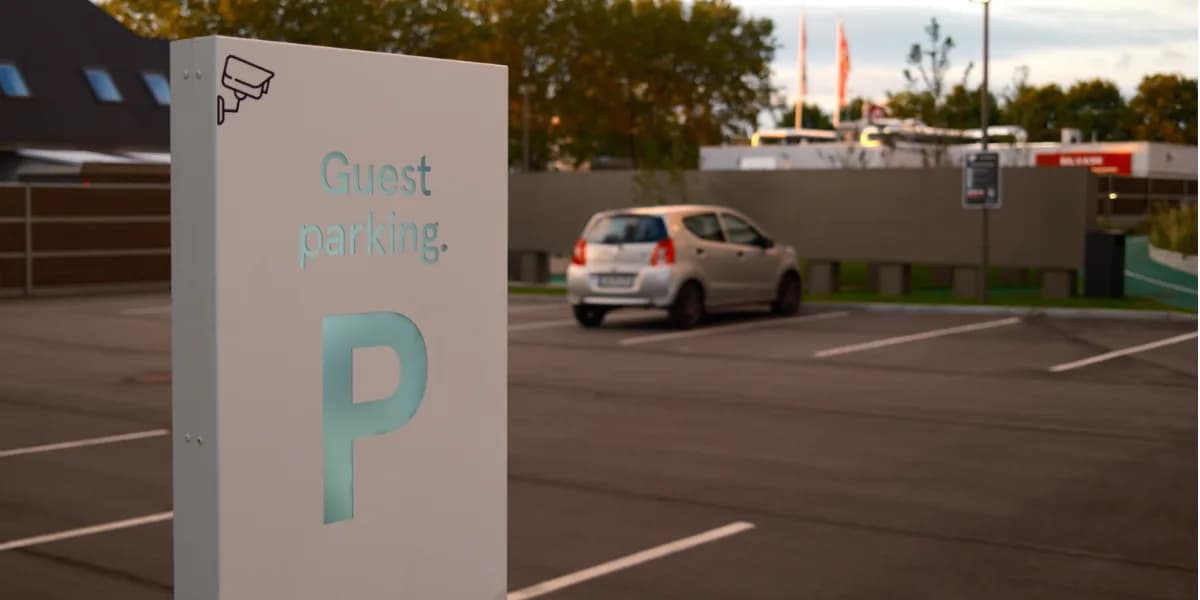
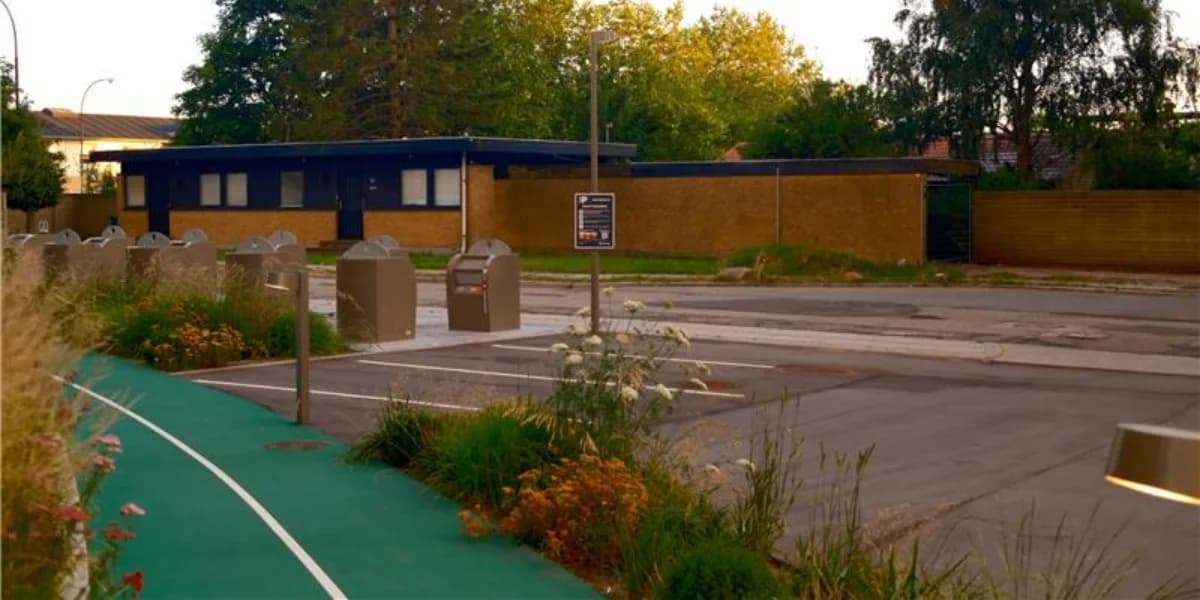
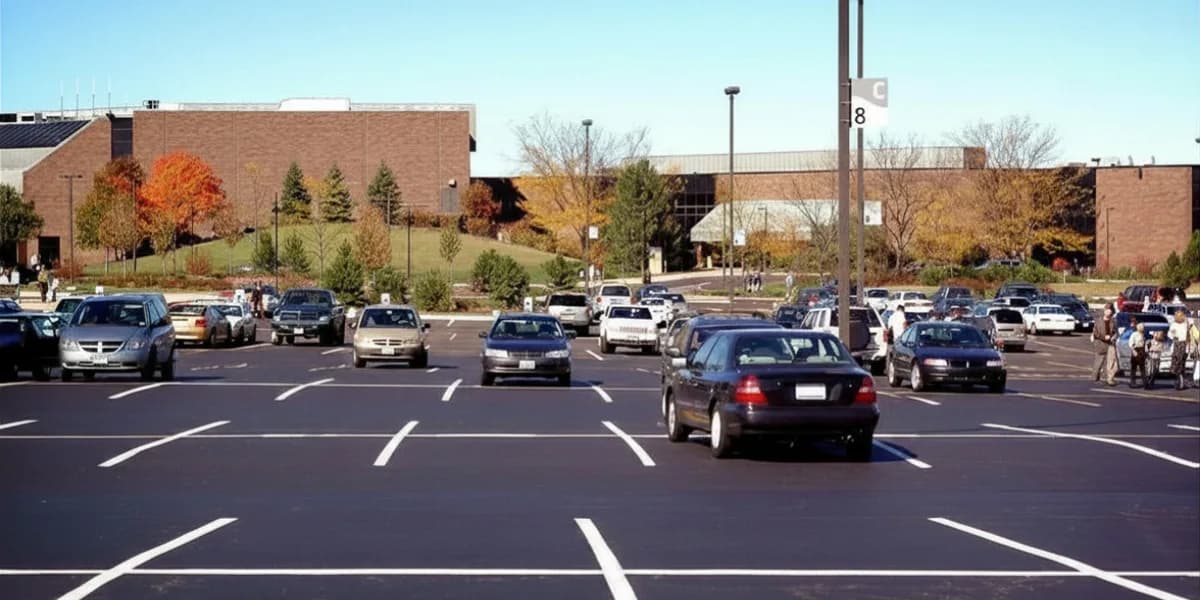
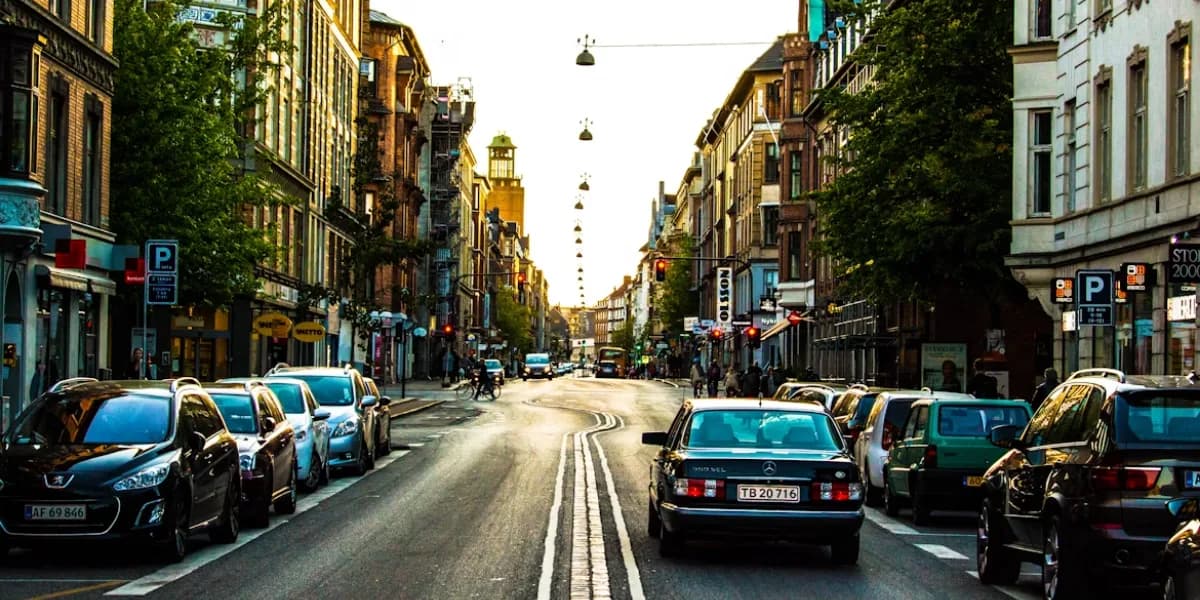
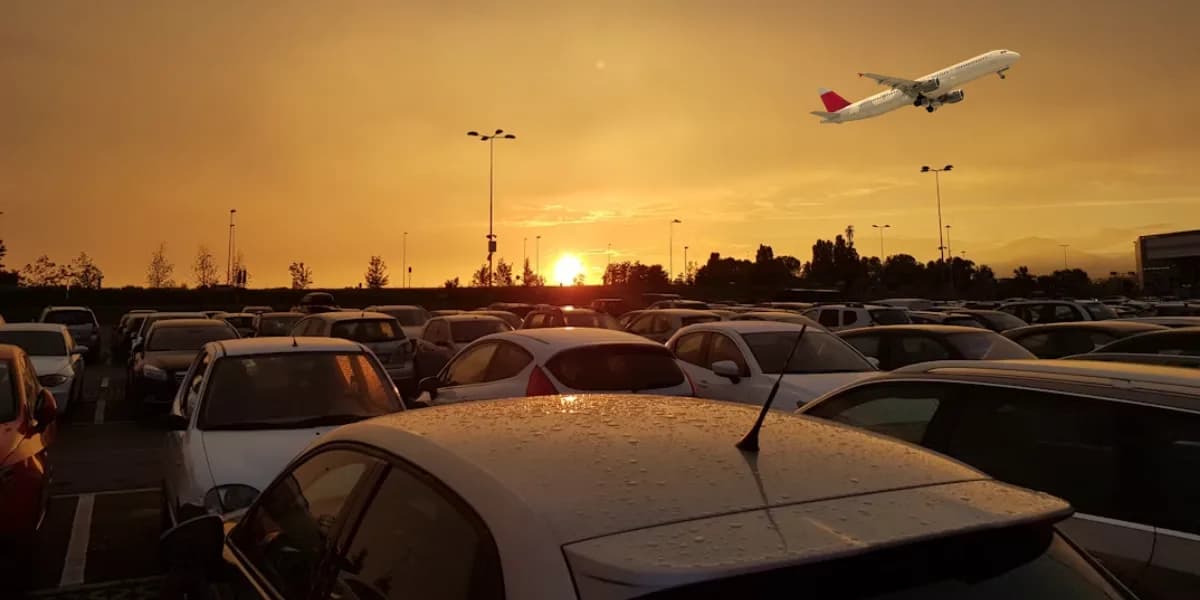
The same space-level checks apply whether the bay belongs to a resident, a tenant or a member.
Questions about reserved bays
Does every space need its own camera?
No. A camera can cover several spaces, each with its own detection area, so a stay is still attributed to the right one. How many a single camera can watch depends on the angle and the distance, which is part of what a site survey establishes.
What happens if the person who holds the space changes car?
You update the plate on the assignment and the checks follow it immediately. You can also allow more than one plate on the same space if a household or a team shares it.
Can a visitor use a reserved space legitimately?
Yes, if you say so. Give the visitor a permit that covers that space and the stay is checked against it like any other. Without one, the stay is raised as a case.
Does a case automatically become a fine?
No. Cases arrive unhandled and stay that way until someone reviews the photos and the history and either approves or rejects them. Nothing reaches the driver until a person has approved it.
Can we run reserved bays and ordinary paid parking on the same site?
Yes. Entrance cameras handle the site as a whole while space cameras watch the reserved bays, and both feed the same dashboard and the same reporting.
Does this work on a site that has no barrier?
Yes. Space-level checks do not depend on a gate. An open car park with a camera on the reserved bays is a common setup, and in some ways the one where reserved parking matters most.

Make the reserved spaces actually reserved
Tell us how your bays are allocated today and we will tell you what it takes to enforce them.