An ANPR parking system that reads every plate
ANPR cameras that plug directly into OPARKO. Read plates, check permits on every read, and choose your enforcement: let your own barrier control handle access while every entry and exit is logged, or alert a warden once a vehicle has overstayed.

One read, and OPARKO takes over
Mount an ANPR camera at each entry and exit and every passing plate flows straight into OPARKO. From that single read the platform checks permits and payments and stores the evidence, and you follow it all from one dashboard.
- Reads plates day and night, in any weather
- Connects to the permits and payments you already run
- Every event on one live, EU-hosted dashboard
One camera, two enforcement models
The same plate read can log every entry and exit at a barrier or send a warden to an open site. Pick whichever fits each site, or mix both across your portfolio.
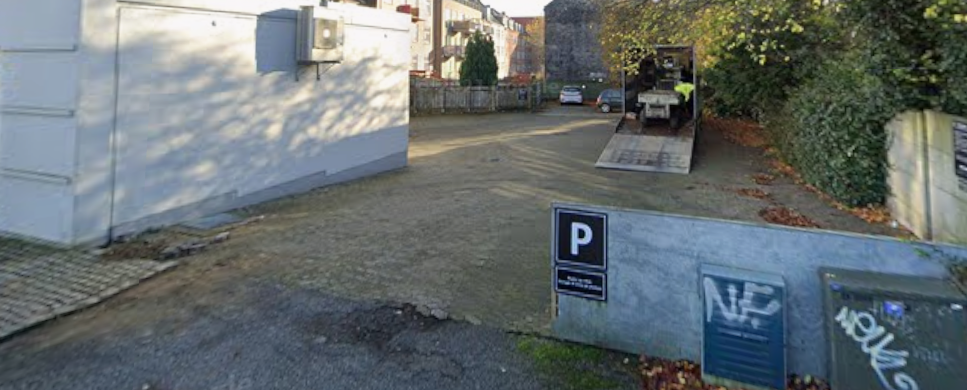
OPARKO GO dispatch
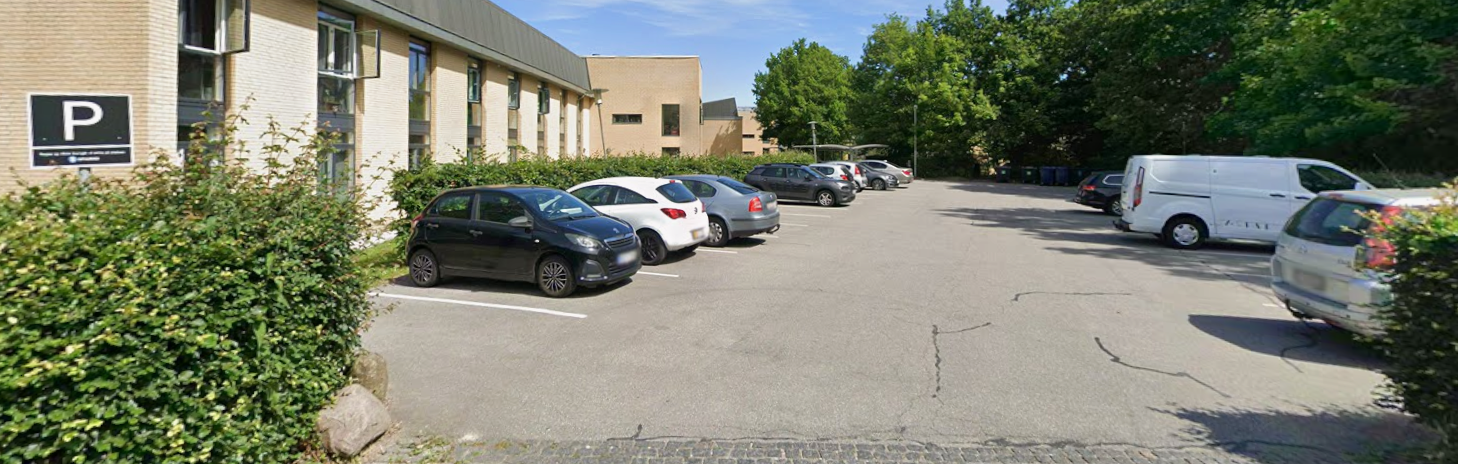
Best for open car parks with no barrier. The camera flags violations and OPARKO alerts the wardens covering that site to handle them in person.
- No barrier hardware required
- Wardens dispatched only when needed
- Ideal for retail, residential, and street parking
Sites with a barrier
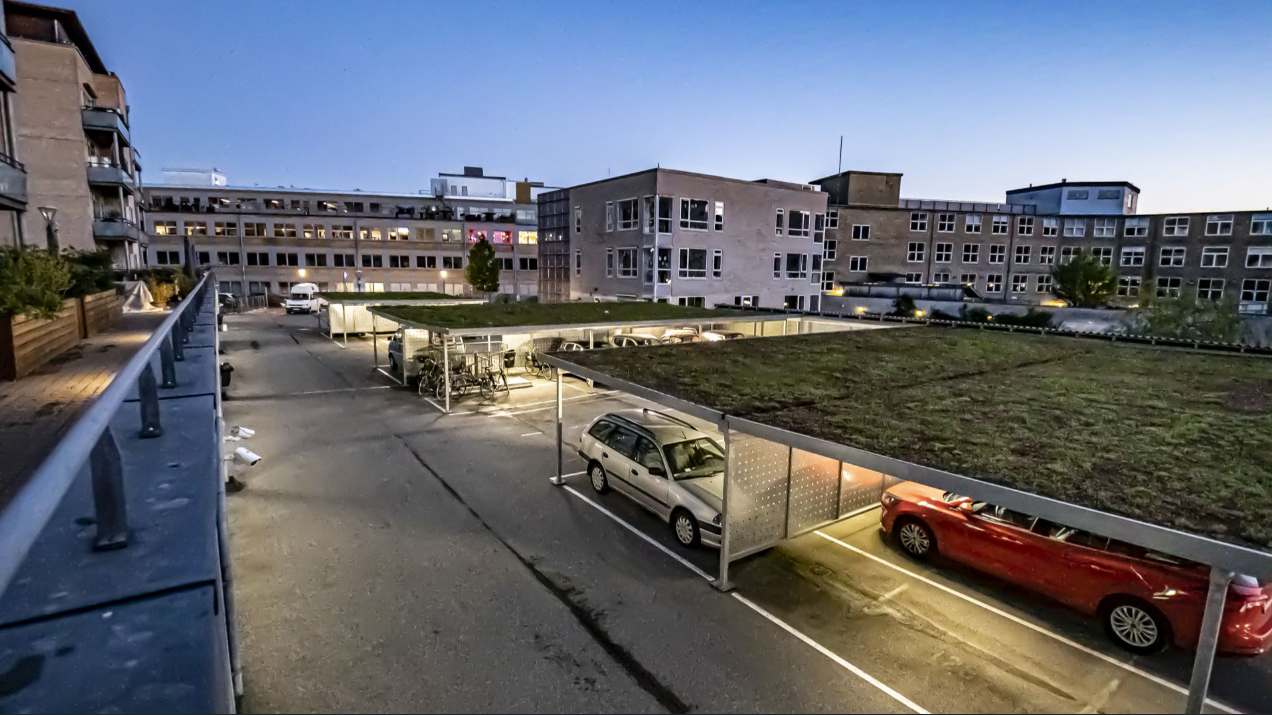
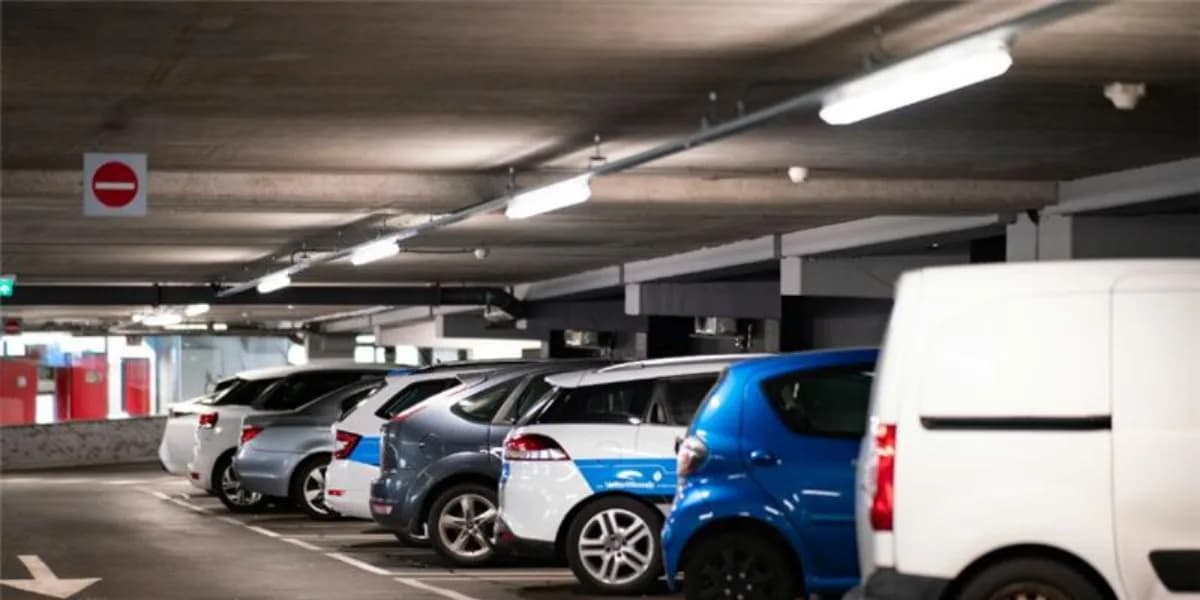
Best where a physical barrier already controls access. The barrier stays under your own barrier control. The camera reads the plate, and every event lands in your dashboard.
- Every entry and exit read and logged
- Permits and payment checked on every read
- Ideal for garages, gated lots, and workplaces
When a camera catches a violation, the check happens on site
On open sites without a barrier, the cameras keep watch around the clock. When a vehicle parks without a valid permit or ticket, the warden is alerted at once.
- Alert on overstay. No aimless patrolling.
- Everything on the phone. Plate, zone and dwell time before the warden arrives.
- Issue on the spot. The notice is issued with time, place and photos on the case.
- Fewer wasted miles. Wardens only go where there is something to handle.
How OPARKO GO works
The camera detects
Each ANPR read is matched against live permits and tickets. With no valid cover, the vehicle is flagged as a possible violation.
The warden is notified
Wardens covering that site get an alert with the plate, location and dwell time.
The warden heads out
They drive out, check the car in person, and issue the parking charge directly from the app.

From site visit to live cameras in four steps
Site assessment
We survey your entries, exits, and sightlines, then recommend exactly where cameras should go, and whether your existing hardware can be reused.
Install & connect
Cameras are mounted and connected to OPARKO over the internet. No on-site servers to maintain.
Configure the rules
Link cameras to your zones, permit types, and payment rules, and decide what counts as a violation.
Go live & monitor
Plates are read, permits are checked, and every event lands in your dashboard, day and night.
A complete eye on every vehicle
Each camera sends its reads straight into the OPARKO platform: reading plates, checking permits, and storing the evidence as cars come and go.
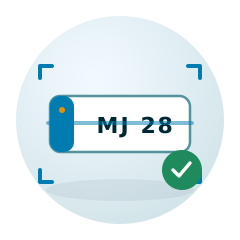
License plate recognition
Reads plates day and night and in all weathers. Read quality depends on the camera and its mounting, which we assess on site.
Alongside your barrier
Your barrier keeps its own control system. The camera reads every plate and logs each entry and exit in your dashboard.
OPARKO GO for open sites
No barrier? The cameras keep watch and, once a vehicle has parked without a valid ticket or permit, alert the wardens covering that site with plate and location.
Automatic renewal
Regulars can put their subscription on a card once and let it renew automatically every month. No machine to visit, no app to open, nothing to remember.
Entry & exit tracking
Log every vehicle that enters and exits. Automatic dwell-time calculation for overstay detection.
Permit auto-validation
Plates on active permits are cleared automatically. Expired or unregistered plates flagged for enforcement.
Evidence capture
Photos with time and place are attached to every violation, so the documentation is ready if a driver appeals.
Works with existing cameras
We can integrate cameras that give access to their plate reads, and assess whether your existing setup can be reused.
One plate read, a dozen jobs done
The camera is only the beginning. The instant a camera reads a plate, OPARKO can check a payment, validate a permit, or feed your analytics, all from the same image.
Ticketless QR payment
The plate is the ticket. Drivers pay by QR code, SMS or app, and the camera read is checked against the payment: no paper, no disc, no fumbling at a machine.
Gateless free-flow
Skip the barrier entirely. Cameras record entry and exit so traffic keeps moving, and a warden follows up on stays that are not paid. Less hardware to buy, less to maintain, and no queues.
Data for setting your own prices
Use occupancy and dwell-time trends to decide your own rates by duration and time of day, for example a lower price in quiet hours.
Permit & whitelist automation
Residents, staff, and season-ticket holders are recognised by plate and cleared, so only real violations get flagged. Built for housing associations, workplaces, and private grounds.
Guest & customer validation
Let a hotel desk or shop register a visitor's plate as a guest permit from a reception tablet, so the visitor can stay longer or park without paying.
Occupancy & analytics
Live occupancy, dwell times, and peak patterns turn every read into data you can plan capacity, staffing, and pricing around.
Nothing goes out because a camera said so
A plate read is not a fine. Every overstay a camera picks up becomes a case that a person opens, checks against the evidence, and then approves or rejects.
Read the rules for camera-supported control in Denmark since 1 July 2025In and out are paired
The arrival read and the departure read are matched into one stay, with the total time parked.
Checked against cover
The stay is laid over the permits and subscriptions that applied, so the uncovered part of it is marked rather than assumed.
A person opens the case
It arrives unhandled, with both photos, the plate, the times, and whatever else that plate has done at this address.
Approve or reject
Reject and it stops there, with nothing sent to the driver. Approve and the case goes to whoever enforces the site: your own team, or OPARKO where we run the site for you. A notice is never issued on camera evidence alone.
What the reviewer has in front of them
- The photo from arrival and the photo from departure
- Arrival, departure and total time in the car park
- The stay laid over permit cover, with the uncovered part marked
- Vehicle make and model, looked up from the plate
- Every other permit and notice that plate has at this address
What else the cameras are good for
The same reads that drive enforcement also answer how full you are, and whether the equipment is doing its job.
Your cameras, and an API for the rest
We can integrate cameras that give access to their plate reads, and assess your setup case by case. On top of that, there is a partner API for permits.
Free and taken, space by space
Entry and exit reads give a live count for the whole car park, and cameras pointed at individual bays record which of those are taken.
Straight onto the signs
The free-space count feeds digital displays and road signs, so drivers know what is available before they start circling.
Pair the cameras with the rest of the platform


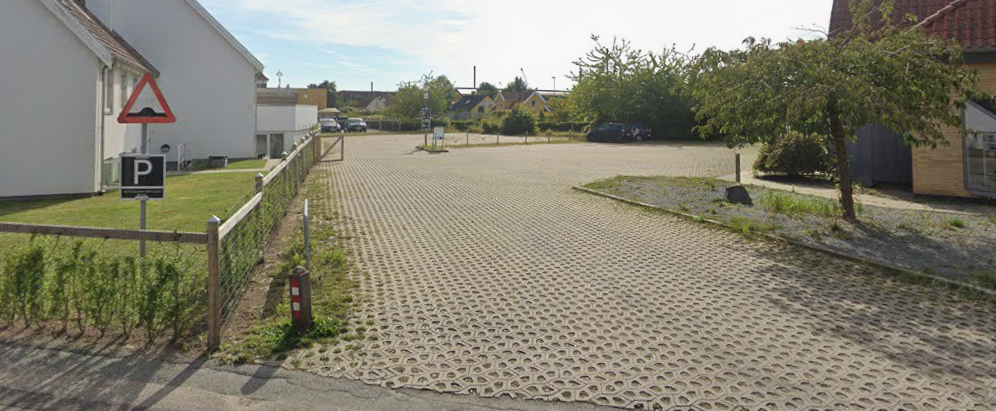
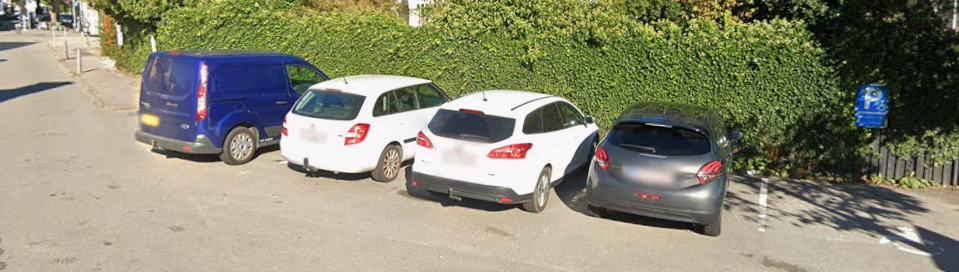
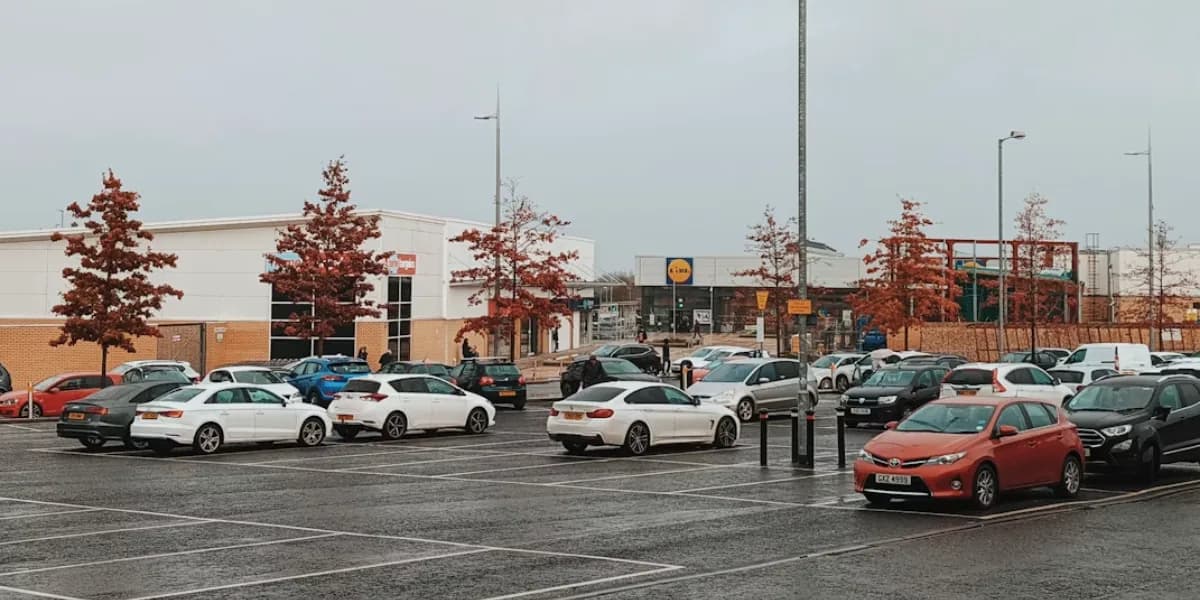
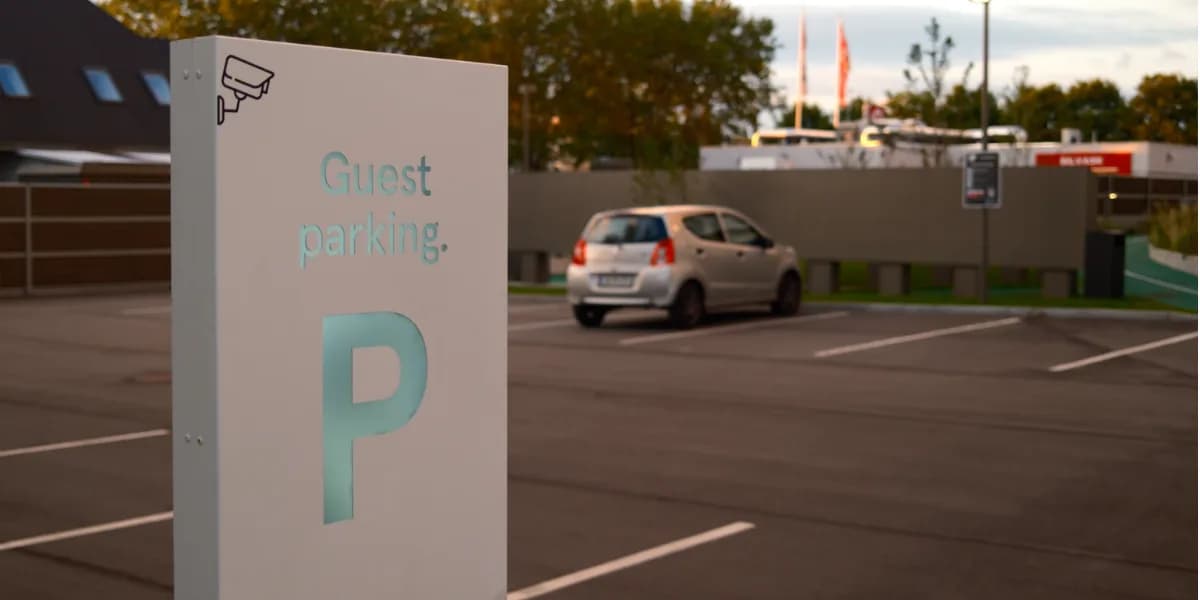
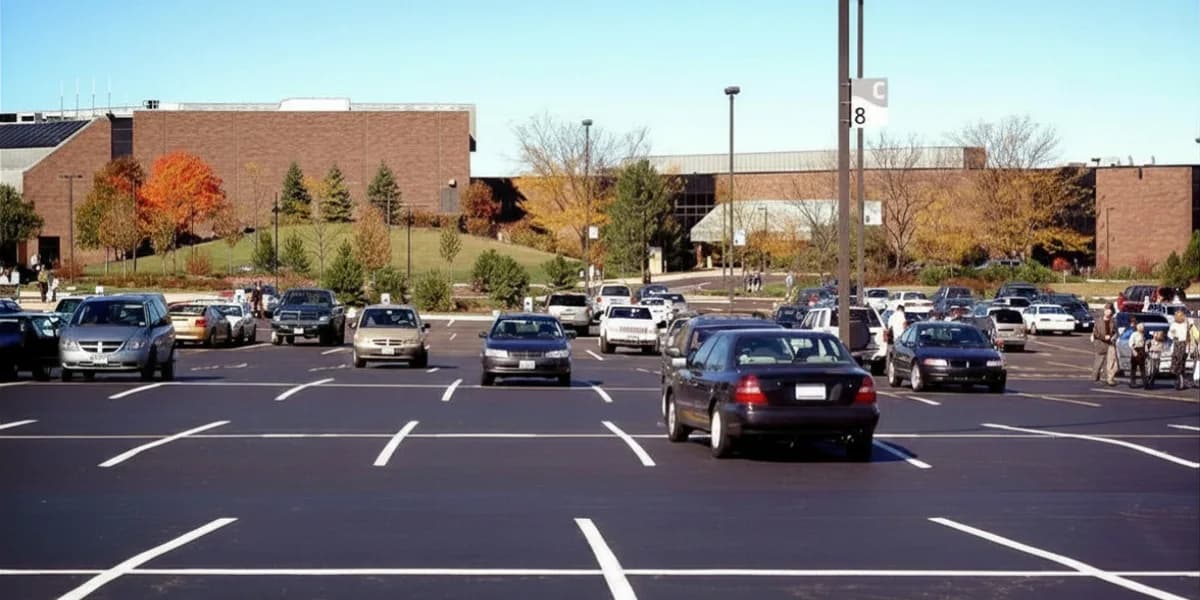
Built for every kind of car park
The same ANPR platform adapts to the rules, zones, and revenue model of each property type.


Common questions about ANPR
Is ANPR GDPR-compliant? Where is plate data stored?
Yes. A licence plate is personal data, so OPARKO processes it under a signed data-processing agreement and stores it on servers inside the EU, keeping it only as long as needed for parking, payment, and enforcement before deletion. You remain the data controller; OPARKO is your processor.
How accurate is plate recognition in rain, snow, or darkness?
OPARKO uses ANPR cameras that read plates day and night, including in rain, snow, and darkness. Read quality depends on the camera, its mounting, and site conditions, which is why we assess placement during the site survey. Every read is checked against your live permit list before anything is issued.
What happens with foreign, dirty, or missing plates?
Foreign plates are read and checked against permits and payments like any other.
Do I need new cameras, or can I reuse my existing ones?
Sometimes you can reuse what you have. OPARKO can integrate cameras that give access to their plate reads; we assess your current setup during the site survey and only recommend new hardware where it is genuinely needed.
Can ANPR work without a barrier?
Yes. On open sites without a barrier, the cameras record entry and exit and flag violations for OPARKO GO, which alerts a warden. There is no barrier to buy or maintain.
How long does it take to go live?
It depends on the site and the number of cameras, so we agree the date with you after the site assessment. Then cameras are mounted, connected to OPARKO over the internet, and configured to your zones, permits, and pricing rules.
Can drivers pay without downloading an app?
Yes. Drivers scan a QR code on your signage and pay by card, MobilePay or Google Pay, with no app and no account to create. SMS is available too, and nothing needs installing on site.
Can I manage cameras across several sites from one place?
Yes. Every camera across every site reports into the same OPARKO dashboard, so you monitor reads, occupancy, and violations for one car park or a whole portfolio from a single login.

Ready to automate your facility?
We'll assess your site and recommend the right camera setup, with a go-live date agreed up front.