

Guide to parking on private land (international context)
- On private property (e.g., shopping centers, residential complexes, business parks), the landowner sets the parking rules.
- You enter into a binding agreement (implied contract) simply by parking—provided that signage is clear and visible.
- Signs must clearly display the terms and conditions (e.g., time limits, permit requirements, payment apps).
- Unauthorized parking includes overstaying time limits, parking without a permit, or using reserved spots.
- Landowners can issue Parking Charge Notices (civil fines) or, in some jurisdictions, tow vehicles if terms are breached.
- Most reputable operators offer an appeals process through independent trade associations or ombudsmen.
- Avoid penalties: Read the signs upon entry, use the correct apps/discs, and never block access routes.
- Do you manage private parking? OPARKO offers digital solutions with ANPR cameras, payments, and access control.
Rule of thumb: Once you enter the property, the private rules apply. Always read the signage!
Driver’s guide: understanding private parking regulations
Finding a legal parking spot can be a challenge—especially when crossing from public streets onto private land. Supermarket car parks, residential housing associations, and commercial properties are all examples of areas where the private owner, not the city, determines the rules. As a driver, understanding the distinction between public and private enforcement is crucial to avoiding fines, civil charges, or having your vehicle towed.
In this guide, we explore what you need to know when parking on private property and how to avoid penalties—based on general international principles of contract law and private property rights.
The landowner’s right to regulate
Private property is governed by property rights and contract law. This means the owner has full discretion to decide who may park and under what conditions. Rules vary significantly from one location to another: some areas are strictly for residents, others allow customers free parking for a limited time, while some require digital registration via an app.
As long as the signage is prominent and clearly displayed, the owner has the legal right to enforce these rules. This enforcement can take the form of “Parking Charge Notices” (civil invoices), immobilization (clamping), or towing, depending on local laws. Many drivers unknowingly breach these contracts simply by failing to check the specific terms of the site.
Signage creates the contract
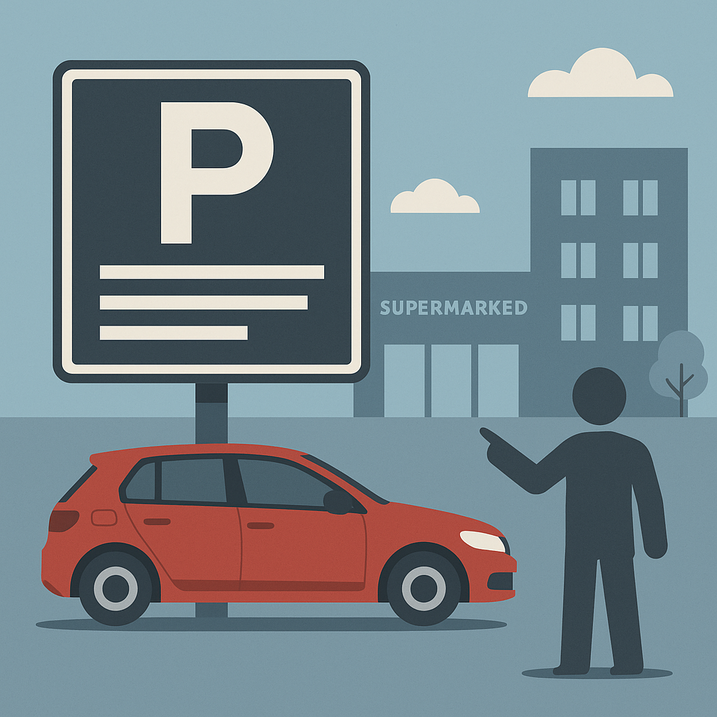
In most legal systems (including the UK and across the EU), parking on private land is based on an “implied contract.” The signage acts as the offer. By driving past the sign and parking your vehicle, you are accepting that offer.
For a parking charge to be valid, signage usually needs to meet specific standards:
- Signs must be placed clearly at the entrance to the land.
- They must clearly state the terms and conditions (e.g., “2 hours max stay” or “Permit holders only”).
- Additional signage should be visible throughout the parking area as a reminder.
If clear signage is present, you are deemed to have accepted the terms, even if you chose not to read them. The legal requirement is generally that you were given a reasonable opportunity to read them.
What constitutes “unauthorized” parking?
Unauthorized parking on private land occurs when you breach the contract terms displayed on the signs. Common violations include:
- Parking without a valid digital or physical permit in resident or staff zones.
- Overstaying the “free parking” time limit.
- Using reserved bays without authorization (e.g., Disabled bays, EV charging spots, or “Reserved for CEO”).
- Parking outside of marked bays, blocking fire lanes, or obstructing delivery entrances.
Even if a parking lot looks like a public street, if it is managed by a private company, the rules—and the cost of breaking them—can differ significantly from municipal parking.
Enforcement: fines vs. civil charges
If you break the rules, the consequences depend on the jurisdiction:
- The Civil Charge (PCN): In many countries, you will receive a “Parking Charge Notice.” Unlike a police fine, this is an invoice for a breach of contract or trespass. It is a civil debt.
- Towing: In some regions (particularly parts of the US), the primary enforcement method is immediate towing of the vehicle at the owner’s expense.
For a charge to be enforceable, operators usually must adhere to a strict Code of Practice regarding how evidence (photos/timestamps) is collected and how the notice is served.
Public vs. private: the legal difference
It is vital to distinguish between Public Parking (Municipal/City) and Private Parking.
- Public Parking: Governed by traffic laws and statutory authority. Fines are criminal or administrative penalties.
- Private Parking: Governed by Contract Law. Your parking action creates a “silent agreement” with the landowner.
If you are ever in doubt about whether a spot is public or private, check the signage carefully. If the terms are unclear, find another spot.
Best practices for drivers
To avoid disputes and charges, follow these simple guidelines:
- Look for the entrance signs: These usually contain the most critical legal text.
- Register immediately: If an app or kiosk is required, do it as soon as you park.
- Respect specific bays: Never park in a disabled bay without a badge, even for “just a minute.”
- Keep evidence: If the machine is broken or signage is confusing, take a photo with your phone. This is your best defense if you receive a charge later.
Dispute resolution and appeals
If you receive a charge you believe is unfair, do not ignore it. In many countries, private parking operators belong to accredited trade associations (such as an independent ombudsman service). You usually have the right to appeal if:
- The signage was unclear or obstructed.
- You were not the driver.
- The technology (e.g., camera or kiosk) failed.
Check the ticket or notice for details on the official appeals procedure.
Modern solutions for property owners
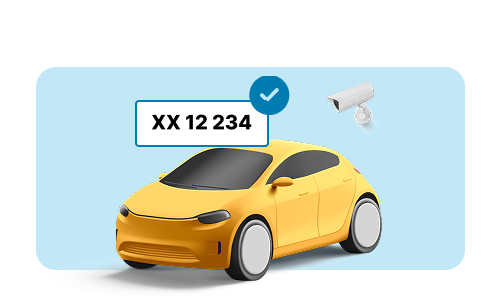
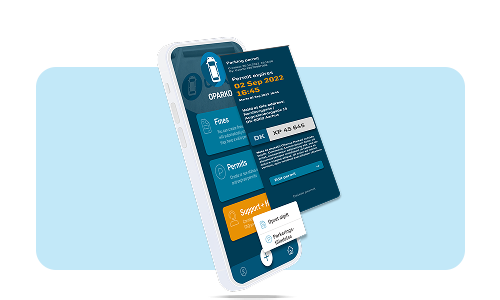
Landowners, housing associations, and businesses globally face increasing pressure to manage parking efficiently. Manual patrols are outdated. Today, OPARKO offers a digital, reliable solution that unifies permit management, payments, and enforcement via ANPR (Automatic Number Plate Recognition).
By centralizing parking management on one platform, owners gain:
- Full digital control of parking permits (Virtual Permits).
- Automated enforcement via ANPR cameras.
- Real-time data and occupancy oversight.
- Automated billing and reduced administrative burden.
Whether you manage a hotel, a residential complex, or a retail park, OPARKO tailors digital solutions to your specific needs, helping you secure your property and potentially generate revenue with zero friction.
Final advice
Parking correctly on private land is primarily about awareness. Read the signs, respect the contract, and understand that private property rules are distinct from public traffic laws. Unauthorized parking can lead to expensive civil charges—but with a few precautions, they are easily avoided.
And if you are a property owner looking for an efficient way to manage your land, OPARKO’s solution represents the modern standard in parking technology—simple, reliable, and automated.