

Parking in front of your own driveway: Is it legal?
TL;DR – Can you park across your own driveway?
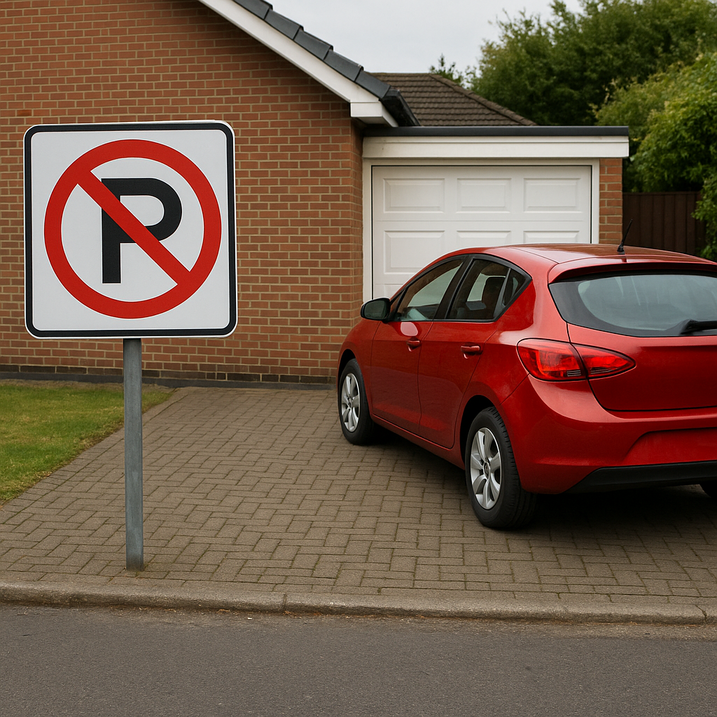
The answer depends entirely on where you live. In most of the world (including the USA, Australia, and most of Europe), it is illegal to block a driveway, even if you own the property. The street is considered public space, and blocking access is a safety violation. However, the UK often has different rules, allowing homeowners to park across their own dropped kerb with consent. Regardless of location, blocking a sidewalk or pavement is universally illegal. To avoid confusion and neighborhood disputes, digital solutions like OPARKO can help manage private parking efficiency.
Most homeowners assume that because they own the house, they have the right to park in front of it. It seems logical—if you block the driveway, you are only inconveniencing yourself, right? Unfortunately, in most international jurisdictions, the law disagrees. Below, we break down the rules, the exceptions, and the reality of public vs. private space.
The general rule: Why it is usually illegal (USA, Australia, EU)
In the vast majority of countries, including the United States, Australia, and most of mainland Europe (such as Denmark and Germany), the rule is strict: You cannot park across a driveway, even your own.
The legal reasoning is based on two main principles:
- Public property: The road and the curb in front of your house belong to the municipality or city, not the homeowner. Owning the land implies a right of access to the road, not a right to occupy the road.
- Emergency safety: Traffic laws are designed to keep access routes clear for emergency vehicles (fire trucks, ambulances). A parking enforcement officer or police officer cannot know that the car blocking the driveway belongs to the homeowner. They only see a blocked access point, which is a violation.
The United Kingdom exception: “Consent of the occupier”
The UK stands out as a notable exception to the international standard. Under British law (specifically the Traffic Management Act), parking across a dropped kerb is generally a contravention. However, many local councils operate under a policy where they will not issue a penalty charge notice (PCN) if the vehicle is parked with the consent of the occupier.
This means that in many parts of the UK, you can park across your own driveway, provided that:
- You are not blocking a shared driveway (affecting a neighbor).
- There are no other enforceable restrictions (like double yellow lines or zig-zag lines).
- The dropped kerb is not a pedestrian crossing.
Note: This is a specific nuance for the UK. If you are outside of the UK, assume the stricter general rule applies.
The universal “no-go”: Blocking the sidewalk
Regardless of whether you live in London, New York, Sydney, or Copenhagen, there is one rule that is almost universal: You must not block the sidewalk (pavement).
Many modern cars are longer than the driveways they park in. If you park in your driveway but the tail of your car overhangs the sidewalk, or if you park on the apron of the driveway blocking pedestrian paths, you are breaking the law.
This is strictly enforced to ensure accessibility for wheelchair users, parents with strollers, and the visually impaired. Even in regions where blocking your own driveway is tolerated, blocking the sidewalk will almost always result in a fine.
Consequences of getting it wrong
If you park illegally in front of a driveway—even your own—you risk the following:
- Fines: Parking tickets vary by city but can be substantial.
- Towing: In strict zones, authorities may tow the vehicle at the owner’s expense to clear the access route.
- Civil liability: If an emergency occurs and your vehicle blocks access, you could face liability issues.
Common questions
Can I park there for just 5 minutes to unload groceries?
In strict jurisdictions (like Australia and the US), technically no. A blocked lane is a blocked lane. However, enforcement officers often use discretion.
Can I give my guest permission to block my driveway?
In the UK, often yes. In the rest of the world, no. The street is public, and a private homeowner cannot give permission to block public access.
What if my driveway is U-shaped?
The rules apply to the curb cuts. You generally cannot park in the street blocking the curb cut, even if you have another entrance.
Digital solutions for parking management
Whether the law allows it or not, parking in shared spaces, apartment complexes, or business parks often leads to confusion and conflict. The best way to avoid fines and disputes is clear management.
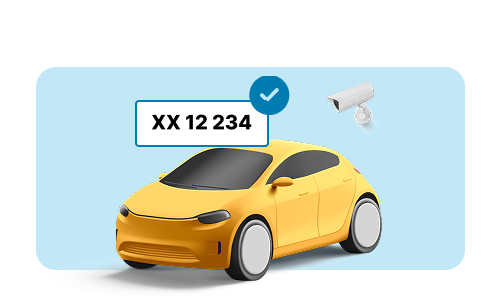
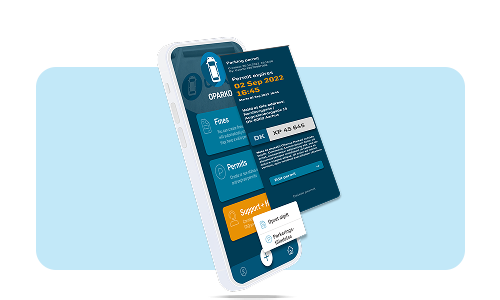
With OPARKO, we provide a digital platform that makes parking rules clear and easy to follow. For property managers, housing associations, and companies, OPARKO offers:
- Digital permissions: No more physical permits; manage guest and resident parking online.
- Enforcement: Ensure that only authorized vehicles are using private spaces.
- Efficiency: Utilize your available space better so people don’t feel the need to park illegally in front of entrances.
Conclusion
Can you park in front of your own driveway? Unless you are in the UK, the answer is likely no. The street belongs to the public, and safety laws prioritize clear access over homeowner convenience. To avoid tickets, keep your vehicle entirely within your property line.
Do you want to eliminate parking confusion in your residential or commercial area? OPARKO’s digital solution gives you full control, reducing illegal parking and maximizing convenience for users. Contact us today to modernize your parking management.