

TLDR – Law & compliance: The foundation of digital parking management
Digital parking management is about more than just cameras and apps; it requires a deep understanding of the legal landscape. Originating from Denmark—a country known for one of the world’s strictest regulatory environments regarding data privacy and citizen rights—solutions like Oparko are built with a “compliance-first” architecture.
Whether operating under the strict data protection laws of the UK and Europe (GDPR) or the varied property rights regulations of the United States, digital parking operators must navigate complex legal frameworks. This article explores how digital tools ensure lawful enforcement, protect user privacy, and adapt to international regulations.
In short: Technology must serve the law. Using a platform rooted in rigorous legal compliance is the safest way to manage parking assets across borders.
Beyond the barrier: The legal foundations of digital parking management
As smart cities grow, digital parking solutions such as Automatic Number Plate Recognition (ANPR/ALPR) and digital permitting are booming globally. However, while the technology is universal, the legal frameworks governing it vary drastically from country to country.
For parking operators, property managers, and landowners, understanding these legal foundations is critical. A system that works in one jurisdiction might face legal hurdles in another if it isn’t built with adaptability in mind. Originating from a Scandinavian legal tradition that prioritizes data privacy and legal certainty, Oparko offers a unique perspective on navigating these global complexities.
Data privacy is global: Navigating GDPR and local laws
The most critical legal aspect of modern parking is data protection. When a camera scans a license plate, it is processing data that can often be linked to an individual.
- Europe & The UK (GDPR/UK GDPR): Here, a license plate is considered “Personal Data.” Strict rules apply regarding how long this data can be stored. Systems must be designed to automatically anonymize or delete data if a vehicle has paid or has a valid permit.
- The United States: The landscape is more fragmented. While there is no single federal privacy law equivalent to GDPR, states like California (CCPA) enforce strict data rights. Conversely, other states focus more on how data is shared with law enforcement.
A robust digital parking platform must be capable of configuring data retention periods to match local laws, ensuring that operators remain compliant whether they are in London, New York, or Copenhagen.
The basis of enforcement: Contract vs. property rights
How a parking fine or invoice is issued depends heavily on the legal basis of the region. Digital systems must be flexible enough to support these different enforcement models.
The contractual model (UK & Europe)
In many jurisdictions, private parking enforcement is based on contract law. By entering a private car park and passing clear signage, the driver enters into a contract with the operator. If they fail to pay or overstay, they are in breach of contract. In the UK, specific legislation like the Protection of Freedoms Act 2012 (POFA) adds layers of complexity, such as banning wheel clamping and establishing “Keeper Liability,” allowing operators to pursue the vehicle owner if the driver is unknown.
The property rights model (USA & others)
In other regions, particularly parts of the US, enforcement is often based on property rights and tort law (trespassing). Traditionally, this led to physical enforcement methods like towing or booting. However, the industry is shifting toward “digital ticketing” (invoicing by mail) to improve the consumer experience. Digital platforms like Oparko facilitate this transition by providing the evidence packages (photos and timestamps) needed to issue digital notices instead of resorting to towing.
Industry standards and accreditation
Beyond national laws, the parking industry is heavily self-regulated through accredited trade associations. Compliance with these bodies is often required to access vehicle owner data (DMV/DVLA records) necessary for enforcement.
- United Kingdom: Software must assist operators in complying with codes of practice from the British Parking Association (BPA) or the International Parking Community (IPC).
- United States: Best practices are often set by organizations like the International Parking & Mobility Institute (IPMI).
Using a platform that is designed to meet high regulatory standards helps operators maintain their accreditation and ensures fair treatment of motorists.
Transparency and user rights
Regardless of the legal system, the trend globally is moving toward greater transparency and protection of user rights. The “Wild West” days of unregulated private parking are fading.
Digital platforms protect both the operator and the motorist by providing irrefutable digital evidence. This creates a fair system where:
- Motorists are not fined unjustly, as the system verifies permits instantly.
- Operators have a complete digital audit trail to prove compliance in case of legal disputes.
From regulation to practice – compliance by design
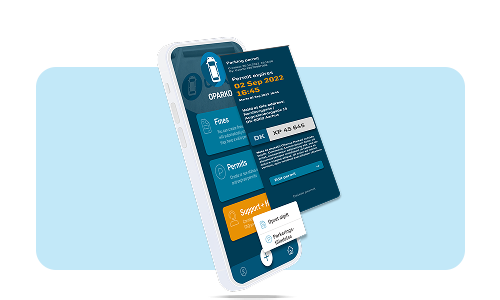
When Oparko offers a “one-click overview” via a user-friendly platform, it is not just a technological feature—it is a compliance feature. Clients range from private landowners to housing associations and commercial complexes, all of whom rely on the system to keep them on the right side of the law.
Oparko’s core solutions include:
- ANPR/ALPR Management: Automated adherence to data retention rules.
- Digital Permitting: Eliminating physical pass misuse and fraud.
- Enforcement Modules: Customizable to fit local contract or property laws.
Conclusion: Technology serving the law
Legal frameworks define the playing field for the parking industry. Whether dealing with the strict privacy requirements of GDPR in Europe or the complex liability laws in the US, the technology used must be adaptable and secure.
By understanding these legal foundations and choosing a platform rooted in strict regulatory compliance, property owners and operators can future-proof their business. Oparko bridges the gap between complex legislation and efficient, modern parking management.