

Global parking rules & legislation: an international overview
TL;DR – Global parking rules & legislation
- park on the side of the road corresponding to the direction of traffic (right side in US/Europe, left side in UK/Australia)
- do not park on cycle paths, sidewalks, central reservations, in front of driveways, or at junctions (distances vary by country)
- maintain a safe distance from pedestrian crossings (approx. 5-20 meters) and bus stops
- understand the difference between stopping (briefly for loading) and parking (vehicle left unattended)
- local regulations vary: always check signage for payment zones, time limits, and permit requirements
- private roads and residential areas have special considerations – respect access rights and local signage
- public parking spaces are generally available to everyone – “private spots” on public roads are rare
- fines vary by region but can be issued without signage if parking causes obstruction or danger
- oparko offers digital parking control with anpr, online permits, and automated billing – ideal for housing associations and businesses
- avoid common mistakes like parking too close to intersections, on sidewalks, or in restricted zones
read more at oparko.com for smarter and more efficient parking management.
when parking internationally, navigating the specific rules and legislation can be a challenge. while regulations differ between the uk, usa, australia, and europe, the core principles remain the same: ensuring safety, accessibility, and fair traffic flow. understanding these universal concepts is crucial to avoiding fines and ensuring a smooth experience.
in this article, we provide a global overview of the central regulations regarding parking and stopping, and how they differ across major regions. we also explore how digital solutions – like those offered by oparko – can simplify parking administration for housing associations, private landowners, and property managers worldwide.
Positioning: right vs. left side of the road
a universal rule of thumb is to park in the direction of traffic flow. in countries with right-hand traffic (like the usa and most of europe), you must park on the right side. conversely, in the uk and australia, where driving is on the left, parking must be done on the left side. parking against the flow of traffic is illegal in most jurisdictions, except on marked one-way streets.
blocking access is universally prohibited. you must never park in front of driveways, on cycle paths, sidewalks (pavements), or central reservations. these areas must remain clear for pedestrians, cyclists, and emergency access.
The safety zone: distance from intersections
visibility at junctions is a critical safety concern globally, though the specific required distance varies. in many european countries and the uk, the standard rule is that you cannot park within 10 meters of a junction. in the united states, this distance is often measured in feet, typically requiring 15 to 20 feet (approx. 4.5–6 meters) of clearance from a crosswalk or intersection. in australia, strict rules often require 10 meters at unsignalized intersections and up to 20 meters at traffic lights.
regardless of the specific metric, the principle is the same: never park on a corner where you block the view for other drivers.
Prohibited zones & specific distances
- parking is generally prohibited on bridges, in tunnels, and near the crest of hills where visibility is low
- distance from pedestrian crossings varies: from strict “zig-zag” no-stopping lines in the uk to a standard 5-6 meter buffer in other regions
- bus stops are protected zones; in the uk and europe, specific distances (often 12 meters or marked boxes) must be kept clear, while the usa and australia utilize colored curbs or specific signage to define the no-parking zone
- respect disabled parking spots; parking in these spaces without a valid badge carries heavy fines worldwide
Stopping vs. parking – what is the difference?
understanding the distinction between “stopping” and “parking” can save you from a ticket. in some jurisdictions, the difference is time-based (e.g., stopping is less than 3 minutes with the driver inside). in the uk and usa, the distinction is often activity-based:
stopping/waiting: the vehicle is stationary briefly, often to pick up or set down passengers, and the driver remains with the car.
parking: the engine is off, the vehicle is left unattended, or it remains stationary for an extended period.
be aware of signage such as “no stopping” (strictest) versus “no parking” (allows for loading/unloading).
Local variations & signage
while national laws set the baseline, local municipalities often have the authority to set specific rules. this includes time limits, residential permit zones, and payment requirements. in london, for example, parking on the pavement is strictly illegal, whereas in other rural areas globally, it may be tolerated if signage permits.
always check for local signs. strict zones like “clearways” or “red routes” mean no stopping is allowed at any time. pay-by-phone and digital meters are becoming the global standard for payment.
Residential areas & private roads
private roads and residential complexes often have their own enforcement rules. while you generally cannot park in front of a stranger’s driveway, the rules regarding parking on the street in residential areas vary. many cities now require residential parking permits to prevent commuters from filling up neighborhood streets.
on private land, landowners have the right to set terms and conditions. failure to comply with displayed terms on private property can result in private parking charges or towing.
Public parking etiquette
public parking spaces on municipal roads are generally available to everyone on a first-come, first-served basis. homeowners do not own the public street spot in front of their house. maintaining fair access to public spaces is a key focus for city planners globally.
Fines & enforcement
penalties for parking violations vary significantly by country and severity. fines can be issued for obstructing traffic, parking on sidewalks, or overstaying time limits. in the uk, these are known as penalty charge notices (pcns), while in the us and australia, tickets are issued by local law enforcement or council rangers. enforcement is increasingly automated, with fines issued even without physical tickets on the windshield.
Digital solutions & efficient administration with oparko
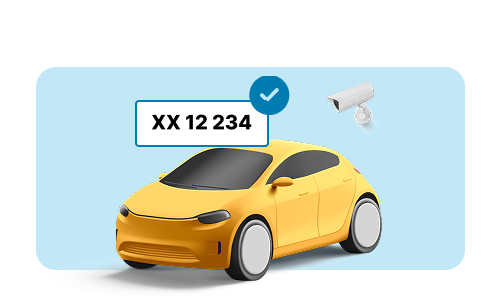
- automatic number plate recognition (anpr) for seamless control
- efficient management and leasing of parking spaces
- online handling of digital permits and payments
- camera monitoring for increased security
- automated billing and live data overviews
our user-friendly parking platform is tailored to your needs – whether you manage a hotel, a commercial complex, or a residential area. we help you create order, reduce administrative time, and optimize revenue from your parking assets – effortlessly.
Common international parking mistakes
- parking too close to intersections, crosswalks, or bus stops
- ignoring local signage regarding specific time limits or permit zones
- misunderstanding the difference between “no parking” and “no stopping” signs
- blocking driveways or access points for emergency vehicles
by following these general rules and paying close attention to local signage, you can avoid unnecessary fines and contribute to a safer traffic environment wherever you are.
A future with smarter parking
modern mobility requires smarter solutions. with oparko’s digital parking management, both small and large operators can transform parking from a hassle into a convenience – and empty spots into revenue. our system is reliable, efficient, and developed with the user’s needs in focus.
read more at oparko.com and experience the benefits of a future-proof parking solution.
oparko – gain control with one click.