

TLDR – A comparative guide to urban parking regulations
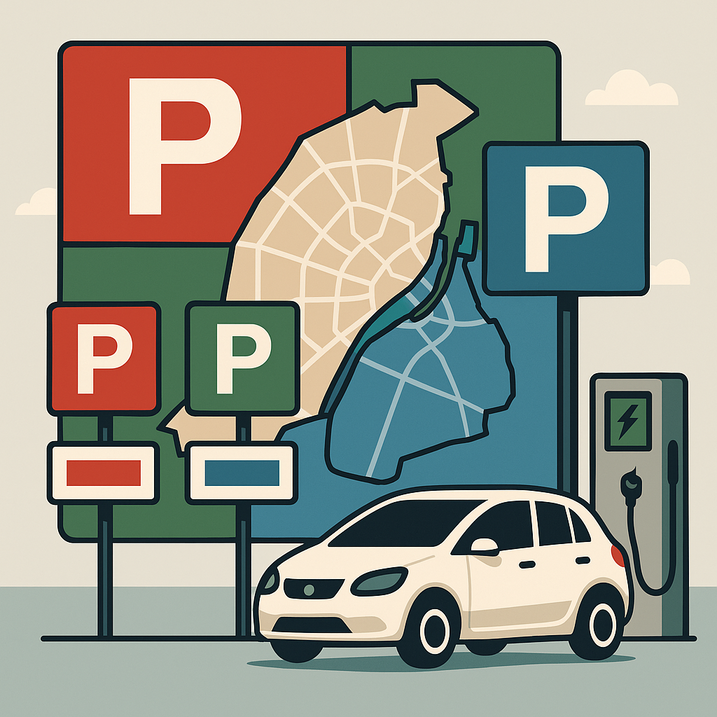
- Zoning Strategies: Most major cities use tiered systems. European cities often use concentric color zones (price increases towards the center), while the UK uses “Controlled Parking Zones” (CPZs) and the US often relies on “Alternate Side Parking” rules.
- Pricing Models: Static pricing is being replaced by dynamic and emission-based pricing. In the UK, high-emission vehicles often pay surcharges, while US cities are adopting demand-responsive pricing based on occupancy.
- Resident Permits: A universal concept where locals buy the right to park. In Europe, costs often depend on the car’s environmental class; in the US, they are typically flat-fee “decals” to deter commuters.
- EV Incentives: Electric vehicles generally receive preferential treatment, ranging from discounted permits and reserved bays (Europe/UK) to access to carpool lanes and tax credits (USA/Australia).
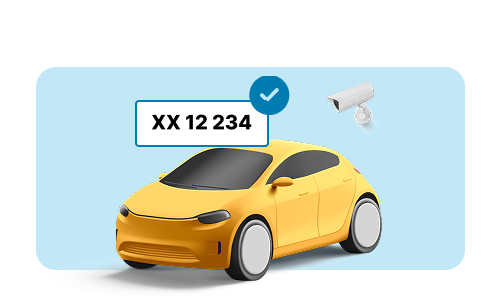
- Digitalization: Physical meters and paper tickets are vanishing. The standard is now App-based payments and ANPR (Automated Number Plate Recognition) enforcement.
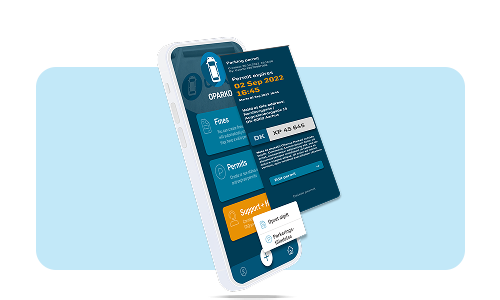
- OPARKO Solution: Just as cities digitize, private landowners and housing associations need smart management. OPARKO provides digital administration and ANPR technology to streamline parking for modern needs.
Get the full overview of digital parking management at oparko.com.
Urban parking explained: A global comparison of zones, permits, and smart tech
Finding a parking spot in a bustling metropolis is a universal challenge, whether you are in London, New York, or Sydney. While specific local ordinances differ, the fundamental strategies cities use to manage curbside space are remarkably similar. Understanding the logic behind zoning, pricing, and permits can save drivers time and money, regardless of the location.
This guide compares how different regions handle urban parking and illustrates why digital management is the future of city mobility.
1. Zoning systems: Color codes vs. CPZs
Cities organize parking to ensure turnover and prioritize residents. However, the method of organization varies significantly by region:
- The Concentric Color Model (Common in Europe): Many European cities use a color-coded system (e.g., Red, Green, Blue, Yellow). The “Red” zone is usually the historic city center with the highest prices, while cheaper zones ripple outwards toward the suburbs. The logic is simple: the closer to the center, the more you pay.
- Controlled Parking Zones (UK Model): In the UK, particularly London, parking is managed via CPZs. These are not necessarily concentric but are defined by local borough boundaries. Rules here are strict; parking is often reserved entirely for permit holders during specific hours (e.g., Mon-Fri, 8:30–18:30).
- Alternate Side & Commercial Zones (USA Model): In US cities, zoning is often dictated by street maintenance. “Alternate Side Parking” requires drivers to move cars on specific days for street cleaning. Additionally, zoning distinguishes heavily between commercial loading zones and residential blocks, rather than distance from a city center.
2. The evolution of pricing: From static to dynamic
The days of feeding coins into a meter for a fixed rate are ending. Modern cities are adopting sophisticated pricing models to manage demand:
- Time-of-Day Pricing: The standard model worldwide. Parking is most expensive during business hours (8:00–18:00), cheaper in the evenings, and often free or significantly reduced overnight.
- Emission-Based Surcharges (UK/Europe): To combat pollution, cities like London charge higher parking fees for diesel and older petrol cars. If your vehicle emits more CO2, you pay more to park.
- Demand-Responsive Pricing (USA): Cities like San Francisco and New York are pioneering dynamic pricing. Smart meters adjust the hourly rate based on real-time demand. If a block is full, the price rises to encourage turnover; if it is empty, the price drops.
3. Resident permits: The “license to hunt”
Residents in urban zones almost always require a permit to park on the street for extended periods. However, the philosophy behind these permits differs:
- Environmental Tiering (Europe): Permits are increasingly digital and linked to the license plate. The cost is often determined by the vehicle’s fuel efficiency. An electric vehicle owner might pay a fraction of what a diesel SUV owner pays for the same permit.
- The “Right” to Park (USA): In many US residential zones, permits are physical stickers sold for a nominal annual fee. They are viewed less as a revenue stream based on emissions and more as a way to stop commuters from clogging neighborhood streets.
The Universal Truth: Regardless of the country, a resident permit is merely a “hunting license.” It authorizes you to park in a zone without fines, but it rarely guarantees a specific reserved spot.
4. Electric vehicle (EV) advantages
As cities push for decarbonization, parking regulations have become a primary tool for incentivizing EV adoption:
- Europe & UK: The focus is on stationary benefits. EVs often qualify for free or heavily discounted resident permits and access to exclusive “EV Only” parking bays equipped with chargers.
- USA & Australia: While some parking perks exist, incentives often focus on driving privileges, such as access to High Occupancy Vehicle (HOV) lanes for solo EV drivers. However, “ICEing” (blocking a charger with a combustion engine car) is becoming a major enforcement focus with heavy fines.
5. Digital management and enforcement
The era of paper tickets and chalking tires is over. The management of parking is becoming entirely digital:
- App-Based Payments: Across Europe and North America, physical pay stations are being removed in favor of apps like RingGo, ParkMobile, and EasyPark.
- ANPR Enforcement: Scan cars equipped with Automated Number Plate Recognition (ANPR) cameras now patrol streets, instantly verifying if a car has a valid digital permit or paid session. This increases efficiency and removes the need for physical dashboard tickets.
Smart parking management with OPARKO
Just as cities are digitizing their streets, private property owners, housing associations, and businesses need modern solutions to manage their parking assets. OPARKO brings the sophistication of city-level management to private car parks.
Our digital platform offers:
- Unified Administration: Manage permits, payments, and enforcement from a single dashboard.
- ANPR Integration: Automate access control and security with license plate recognition technology.
- User-Friendly Interface: A seamless experience for administrators and end-users alike, eliminating the need for physical passes.
- Revenue Optimization: Easily monetize unused spots by renting them out digitally.
Whether managing a residential complex or a commercial lot, the need for smart, digital regulation is universal. OPARKO provides the tools to turn parking chaos into a streamlined, automated asset.
For more information on modern parking solutions for the international real estate market, visit oparko.com.