

The digital transformation of on-street parking: A smart city strategy for municipalities
The digitalization of on-street parking is empowering municipalities worldwide to reduce congestion, streamline administration, and lower environmental impact through smart technologies like LPR/ANPR (License Plate Recognition). By replacing outdated manual processes with digital ecosystems—comprising apps, centralized control, and real-time data—cities gain better oversight, efficient enforcement, and improved urban mobility. Oparko’s platform unifies permits, payments, administration, and data analytics into one solution, contributing to citizen satisfaction, economic optimization, and sustainable urban environments.
LPR technology, efficient enforcement, and improved urban mobility
As cities across the globe seek solutions to challenges such as traffic congestion, climate impact, and increasing vehicle density, the digitalization of on-street parking has become a key component of future municipal infrastructure. With modern technologies like Automatic Number Plate Recognition (LPR/ANPR), local governments can now streamline parking enforcement, drastically reduce administrative burdens, and simultaneously promote sustainable mobility.
At Oparko, we specialize in digital parking solutions that simplify the entire workflow—from digital permits and enforcement to payments and back-office administration. But what does this digital transformation entail, and what concrete benefits can municipalities achieve by adopting Smart City parking principles?
What does “digitalizing on-street parking” mean?
Digital on-street parking involves replacing labor-intensive, manual processes—such as tire chalking, paper dashboard permits, and physical pay-and-display tickets—with integrated technological solutions. By utilizing LPR cameras, mobile parking apps, central management platforms, and automated enforcement, municipalities create a fully digital parking environment.
This transition is intrinsically linked to the Smart City concept, where real-time data, automation, and sustainability merge to create superior mobility solutions. Digital parking is not just a utility service; it is a strategic component of a city’s master plan for future growth and livability.
Leveraging LPR/ANPR for municipal efficiency
Reduced manual labor – greater oversight
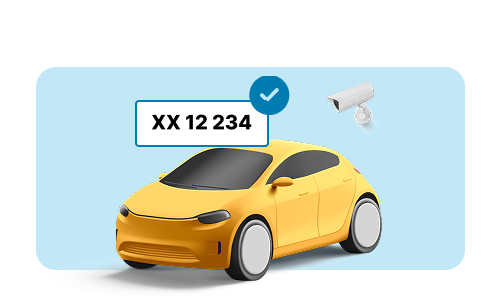
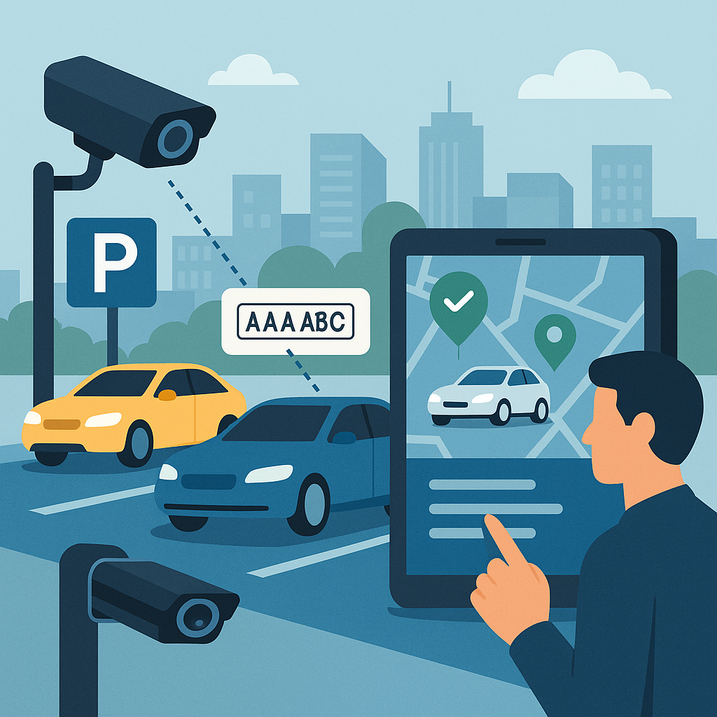
With LPR technology, cameras automatically scan the license plates of parked vehicles and cross-reference them against digital permits or active mobile payments. This eliminates the need for costly manual patrols and reduces resource waste. Thanks to automated recognition, parking regulations can be enforced efficiently without requiring enforcement officers to physically check every vehicle in every zone.
Oparko delivers a central parking platform that consolidates enforcement, permit management, and payments in one place—accessible with a single click. This streamlines the entire operation and minimizes the risk of human error.
Precise and fair enforcement
Municipal parking zones can be programmed precisely into the system, allowing LPR technology to automatically determine if a vehicle has the right to park in a specific spot and if time limits are respected. This reduces ambiguity and erroneous ticketing, which in turn increases public trust and satisfaction with municipal enforcement.
Digital enforcement systems operate reliably around the clock, providing a stable and user-friendly experience for all stakeholders.
Enhanced mobility and reduced congestion
When drivers can use apps or digital signage to locate available spaces, the traffic caused by vehicles “cruising” for parking is significantly reduced. This leads to less congestion, fewer unnecessary miles driven, and lower CO₂ emissions. It becomes easier for residents and tourists alike to plan their visits to the city center.
Digital on-street parking is, therefore, not just an enforcement tool—it is a mobility solution that helps the entire city move smarter.
Data, insights, and strategic optimization
A digital parking management system provides the municipality with valuable real-time data regarding occupancy rates, payment patterns, and demand hotspots. This data empowers city planners to make evidence-based decisions regarding capacity, zoning, pricing models, and access rights.
With Oparko’s platform, municipalities can adjust regulations or tariffs based on actual conditions rather than guesswork. This allows for a flexible and targeted parking strategy that can adapt dynamically over time.
Smart tools for modern parking operations
Beyond LPR, Oparko integrates a suite of digital features that support efficient and sustainable municipal parking:
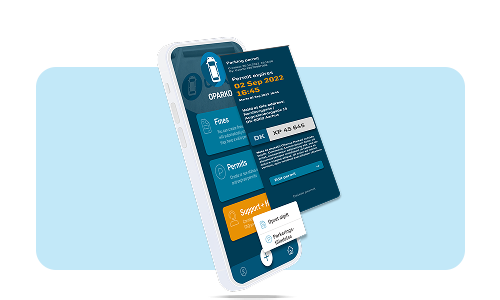
- Mobile Apps: Allowing citizens to pay for and renew parking digitally.
- Digital Permit Management: Centralized online issuance of resident and business permits, eliminating paper decals.
- Automated Administration: Streamlined invoicing and documentation for fleet and business users.
- Asset Optimization: Possibility to manage and monetize underutilized municipal spaces.
- Unified Dashboards: Interfaces for both operations staff and end-users, backed by live data.
Our solution is designed for diverse environments, from residential zones and municipal lots to parking garages and retail areas, functioning stably and effectively every day.
Focus on sustainability
Digital on-street parking supports municipalities in achieving their climate goals. When drivers find spots faster, unnecessary driving and emissions drop. Digital enforcement removes the need for paper tickets and plastic permits, reducing material waste.
Furthermore, LPR and data collection enable more dynamic traffic management—such as the implementation of Low Emission Zones (LEZ), prioritization of electric vehicles (EVs), or differentiated zone tariffs to encourage green mobility choices.
Key considerations for municipalities
Before implementing a digital parking ecosystem, local authorities should consider:
- How can current legacy systems integrate with a modern central platform?
- Which zones and timeframes yield the best ROI for digital enforcement?
- How is data security handled regarding LPR data and privacy compliance (GDPR/Local Privacy Laws)?
- What is the total cost of ownership, and how many resources can be freed up for other tasks?
- How does the solution align with the city’s broader mobility and sustainability targets?
These considerations are a natural part of Oparko’s onboarding process, where the solution is tailored to your city’s specific needs.
Global trends: The Nordic smart city model
Major Scandinavian capitals like Copenhagen have long since abandoned physical parking tickets, replacing them with app-based payments and digital enforcement cameras. The result is increased flexibility for users, lower operational costs, and optimized utilization of parking capacity.
Following this model, numerous forward-thinking municipalities across the Nordics have partnered with Oparko to implement tailored solutions where LPR combines with app payments and dynamic access control—all managed through one simple platform.
An efficient, smart, and user-friendly solution
Digitalizing on-street parking is about more than just technology—it is about creating safe, efficient, and modern urban environments. With a solution from Oparko, the municipality gains a unified platform where enforcement, payments, and administration are simplified.
We are more than just parking: We help you reduce administrative time, increase revenue, and ensure sustainable parking operations that both the city council and its citizens can trust.
Do you want to know more about how digital parking can transform your municipality’s infrastructure? Contact Oparko for a solution tailored to your unique needs—whether you manage public, private, or commercial parking assets.
Oparko – Digital. Reliable. User-Friendly.
Efficient digital on-street parking and enforcement for your municipality ⸺ unified in one platform.