

TL;DR – Private parking management: Rights, roads, and revenue
Managing parking on private land and private roads requires a clear understanding of ownership and contract law. Here is the quick breakdown:
- Private Property (Off-street): governed by Contract Law. The signage acts as a binding contract between the landowner and the driver. Clear signage is mandatory for enforcement.
- Private Roads (Unadopted Roads/HOAs): Often allow public “right of way” for passing through, but the landowner or Residents’ Association controls the right to park.
- Enforcement: Varies by region (Ticketing in UK/EU, Towing in US), but all rely on clear terms and evidence.
Manual management is obsolete. Digital solutions like Oparko allow landowners to protect their assets using ANPR (Automatic Number Plate Recognition) and digital whitelisting, turning unauthorized parking from a headache into a revenue stream.
Private parking management: Rights, roads, and revenue
Parking on private land is a universal source of friction. For drivers, it is often unclear where the public highway ends and private property begins. For landowners, property managers, and Homeowner Associations (HOAs), unauthorized parking is a nuisance that devalues property and blocks access.
Whether you are in the UK, the US, or the EU, the core principle remains the same: Who owns the land sets the rules.
In this article, we break down the legal distinctions between private property and private roads for an international audience, and explain how digital platforms like Oparko are replacing physical permits with automated enforcement.
The legal distinction: Private land vs. private roads
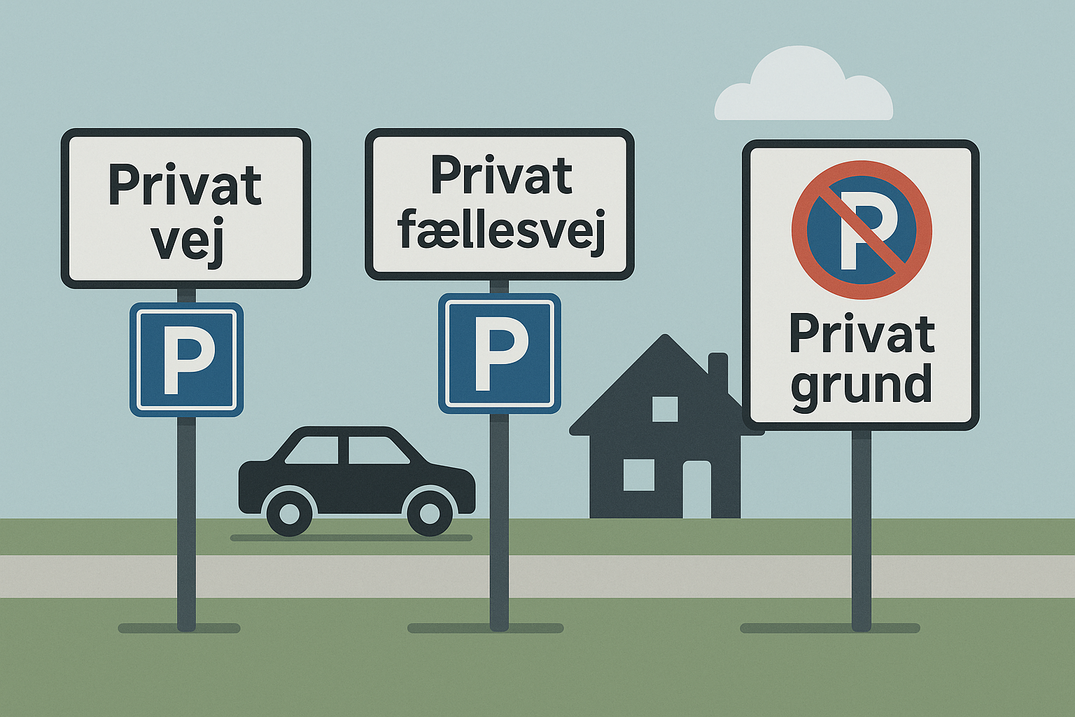
To manage parking effectively, you must first categorize the land. The legal tools available to you depend on whether you own a “car park” or a “road.”
1. Private property (car parks & commercial plots)
This category includes shopping centers, office car parks, residential driveways, and private commercial plots. Here, the landowner has total control.
The Legal Mechanism: Contract Law In most jurisdictions (particularly the UK and EU), parking on private land is governed by Contract Law. When a driver enters your land and sees a sign outlining the terms and conditions, they are entering into a contract with you. If they breach those terms (e.g., by not paying or overstaying), they agree to pay a “Parking Charge” or penalty fee.
2. Private roads (unadopted roads & HOAs)
This is the “gray area.” These are roads that look like public streets but are owned by private residents, an HOA, or are “unadopted” by the local municipality.
The Challenge: Right of Way vs. Right to Park On many private roads, the general public has a legal “Right of Way” (easement) to drive through. However, this does not grant them the right to park. Residents can restrict stationary vehicles, but they generally cannot block traffic flow. Effective management here requires distinguishing between a delivery driver passing through and a commuter abandoning their car for the day.
Enforcement: How to protect your land
You have the right to set the rules, but rules are useless without enforcement. The method of enforcement depends heavily on your local regulations.
Civil ticketing (UK & Europe)
In the UK and much of Europe, wheel clamping and towing on private land are heavily restricted or banned. Instead, enforcement is administrative. Landowners issue Parking Charge Notices (PCNs) based on the contract breach. To do this legally, you must:
- Display clear, visible signage (the “contract”).
- Join an accredited trade association (e.g., BPA or IPC in the UK) to access driver data.
- Use evidence (photos/timestamps) to prove the breach.
Towing & trespass (USA & other markets)
In the US, enforcement often relies on property rights and trespassing laws. If a vehicle is unauthorized, the primary remedy is towing (“Tow Away Zones”) or booting. However, many modern developments are moving toward the European model of digital ticketing to avoid the confrontation and liability associated with physical towing.
The problem with analog management
Traditionally, private roads and car parks have been managed with:
- Physical Barriers: Expensive to install and maintain.
- Plastic Hang-tags: Easily lost, forged, or shared with unauthorized users.
- Manual Patrols: Costly and often result in confrontation.
These methods are reactive, not proactive. They do not generate data, and they rarely generate revenue.
The solution: Digital whitelisting and ANPR
Modern asset protection relies on technology, not physical tags. Platforms like Oparko allow landowners to digitize their parking logic entirely.
1. The sign is the contract
You install compliant signage stating the terms. This acts as the legal warning.
2. Digital whitelisting
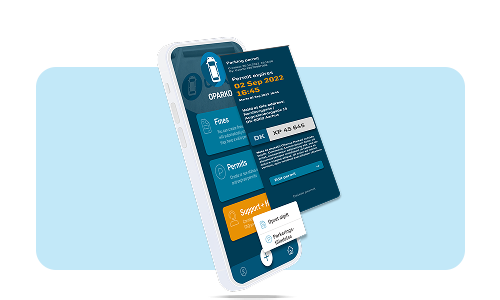
Instead of handing out physical permits, tenants and residents enter their license plate numbers into a digital system. This “whitelist” is live and can be updated instantly via a smartphone.
3. Automated enforcement (ANPR)
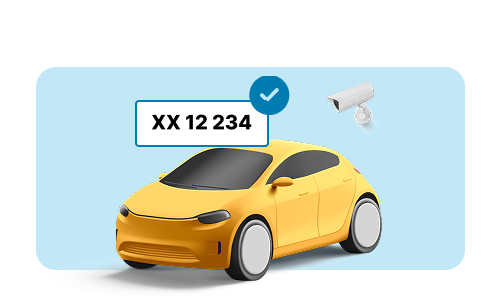
Automatic Number Plate Recognition (ANPR) cameras scan vehicles entering and exiting. The system cross-references the plate against the whitelist. If a vehicle is unknown or has overstayed its paid time, the system automatically flags the violation and issues the parking charge notification by mail. No barrier arms, no angry confrontations.
Why digitalize your private parking?
By moving from manual to digital management with Oparko, property owners unlock several benefits:
- Revenue Generation: Turn empty spaces into paid parking spots for the public during off-hours.
- Contact-Free Enforcement: Automate the issuing of fines without needing on-site staff.
- Total Flexibility: Change rules instantly (e.g., “Tenants only at night, Public Pay-and-Display during the day”).
- Audit Trails: Have digital proof of every vehicle on your property for security and legal purposes.
Conclusion: Stop treating your land like public property
Confusion over parking rules is common, but allowing your private land to be used as a free public car park is a choice. Whether you manage a private road, a residential complex, or a commercial lot, the law supports your right to control access—provided your signage is clear and your system is fair.
Don’t rely on outdated permits or aggressive towing. Switch to a smart, contract-based digital solution. Contact Oparko today to learn how to protect your property and automate your parking management.