

EV parking rules in 2025: a global guide to compliance and etiquette
TL;DR: Key takeaways for EV parking in 2025
- General Rights: EVs and plug-in hybrids can generally park in standard spaces unless signage says otherwise.
- Active Charging: In most dedicated EV bays, you must be plugged in and actively charging. Parking without charging often leads to fines.
- Signage Types: Look out for three main categories: Reserved (EVs only), Time-Limited (e.g., 2 hours), and Active Charging Mandatory.
- Global Variance: Rules change across borders. The UK uses “overstay fees,” the US has state-by-state towing laws, and Australia issues heavy fines for blocking chargers.
- Rapid Chargers: Never park long-term at a fast charger (50kW+). These are for quick turnover only.
- Etiquette: Move your car immediately after charging is complete to avoid “idle fees” and frustration.
- Private Property: Residential and office parking is increasingly managed by digital platforms like Oparko to ensure fair access and automated enforcement.
In short: Read the signs, plug in if required, and move when full. This protects you from fines and keeps the charging network flowing.
As electric vehicle (EV) adoption accelerates globally, parking rules are evolving to keep pace. Whether you are driving in Europe, the UK, the US, or Australia, both public and private parking sectors are implementing stricter regulations to manage the demand for charging infrastructure.
For international drivers and property managers alike, understanding these rules is crucial. This guide covers the universal standards of EV parking, regional variations in 2025, and how digital solutions like Oparko help manage the complexity of modern parking assets.
The golden rule: parking vs. charging
The most common misconception among new EV owners is treating a charging bay as a premium parking spot. The general international standard is simple:
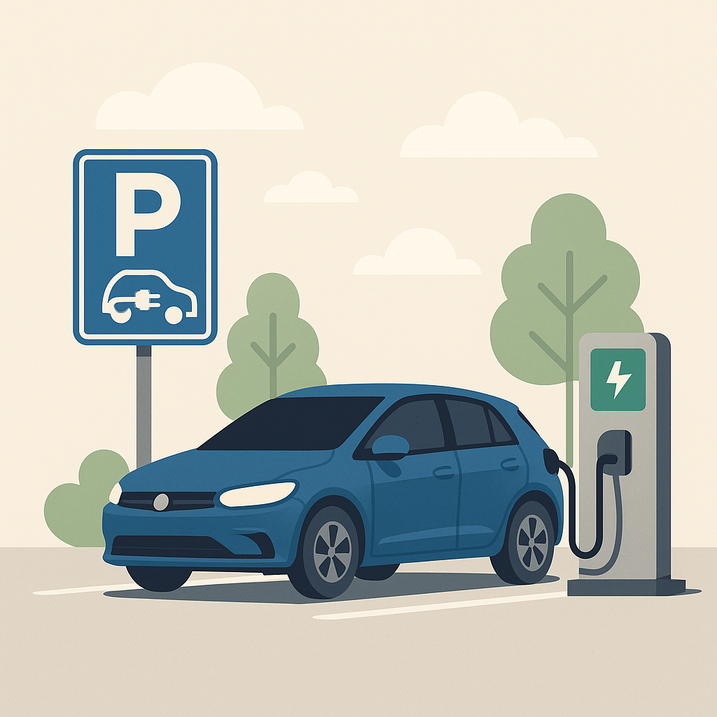
Electric vehicles can park in regular parking spots just like any other car. However, EV-designated spots are usually restricted to vehicles that are actively charging.
If a sign says “EV Charging Only” or displays a plug icon, it implies that the vehicle must be connected to the station. If you park an EV there without plugging in, you are subject to the same penalties as a combustion engine car blocking the spot.
Can I park in a charging bay without charging?
Technically, this depends on local signage, but practically, the answer is usually no. Parking without charging is known as “ICEing” (when done by an Internal Combustion Engine car) or “hogging” (when done by an inactive EV).
Most modern parking enforcement systems, including cameras and sensors, can detect if a car is present but not drawing power. In many jurisdictions, this results in an immediate fine.
Decoding the signage: 3 common categories
While colors and languages differ, the intent of EV signage generally falls into three global categories:
- Reserved Parking (EV Only): These spots are reserved for electric vehicles to park, regardless of whether they are charging. These are rare in high-demand areas but common in green-certified buildings.
- Time-Limited Charging: Often found in city centers. You must be charging, but only for a maximum duration (e.g., “Max 3 Hours”). This ensures turnover so more people can charge.
- Active Charging Mandatory: The strictest category. The vehicle must be plugged in. Once the battery is full, the car must be moved, or you risk fines or idle fees.
Global variations: how rules differ by region
While the physics of charging are the same everywhere, the penalties for breaking the rules vary significantly.
United Kingdom: the “overstay” charge
The UK is aggressive regarding charger efficiency. Many public charging networks and council car parks levy “Overstay Charges.” If your car remains connected after the battery reaches 100%, you may be charged roughly £1 per minute. This is automatically added to your charging bill, making it a digital enforcement mechanism rather than a physical parking ticket.
United States: a state-by-state patchwork
In the US, rules vary by state. In places like California, Florida, and Massachusetts, specific laws make it illegal to park in an EV spot without charging, often resulting in the vehicle being towed. In other states, enforcement relies entirely on the private property owner. Always check local apps to see if “Anti-ICEing” laws are enforced in your area.
Australia: heavy fines
Australia has introduced strict penalties. In states like New South Wales and Victoria, fines for blocking a charging station (either by a petrol car or a non-charging EV) can reach hundreds of dollars. The signage usually explicitly states “Must Be Plugged In.”
Private parking and residential areas
Public streets are one thing, but private land—such as apartment complexes, office parks, and shopping centers—operates differently. Here, property owners set the rules.
Because property managers cannot rely on traffic police to monitor their lots, they are increasingly turning to digital management platforms. Systems like Oparko allow landlords to:
- Designate specific spots for residents vs. guests.
- Automate payments for both parking time and electricity usage.
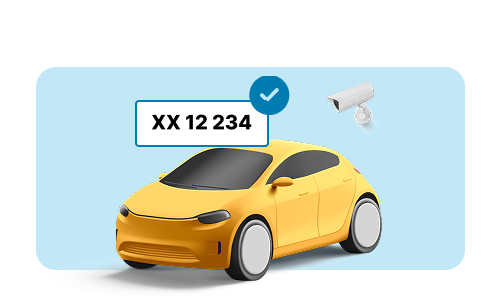
- Use ANPR (Automatic Number Plate Recognition) to ensure only authorized vehicles enter charging zones.
For residents, this means no more fighting for a spot; digital permits ensure that charging bays are available for those who actually live there.
Universal charging etiquette
Regardless of the law, there is a global “unwritten code” of conduct for EV drivers:
- Move when full: Most charging apps notify you when your session is done. Move your car immediately.
- Don’t squat on Rapid Chargers: High-speed chargers (150kW+) are designed for 20-40 minute stops. Never park at these locations for hours while you go shopping or working.
- Cable care: Place the connector back neatly. A damaged cable helps no one.
How Oparko simplifies global parking management
With regulations varying so wildly between cities and countries, property owners need a system that is flexible enough to adapt to local needs. Oparko provides a digital infrastructure that works internationally to streamline EV parking.
We offer a centralized platform for housing associations, businesses, and private landowners that includes:
- Automated Enforcement: Camera-based monitoring (ANPR) to prevent unauthorized parking.
- Seamless Payments: Users can pay for parking and charging in one unified flow.
- Digital Permits: Eliminate physical passes and manage resident/guest access instantly via the cloud.
- Utilization Data: See exactly how often charging bays are used to plan future infrastructure.
Conclusion
In 2025, driving an EV requires more than just range anxiety management; it requires parking awareness. By understanding the difference between “parking” and “charging,” reading local signage, and observing global etiquette, drivers can avoid costly fines.
For property owners, the complexity of these rules highlights the need for smart management. Transitioning to digital enforcement is the only way to ensure fair access and efficient use of valuable charging assets.
Do you manage a parking facility or residential complex? Contact Oparko to learn how our platform can automate your EV parking management, ensuring compliance and convenience for everyone.