

Managing pavement and cycle lane parking: a guide for private estate owners
TL;DR – Parking compliance on walkways and cycle paths:
- Universal Bans: In most developed nations, parking wholly or partially on cycle lanes and sidewalks (pavements) is prohibited to ensure safety.
- The “Two-Wheel” Exception: While generally banned, some specific municipalities or private estates allow parking with two wheels on the pavement, provided a minimum width (often 1–1.2 meters) remains for pedestrians.
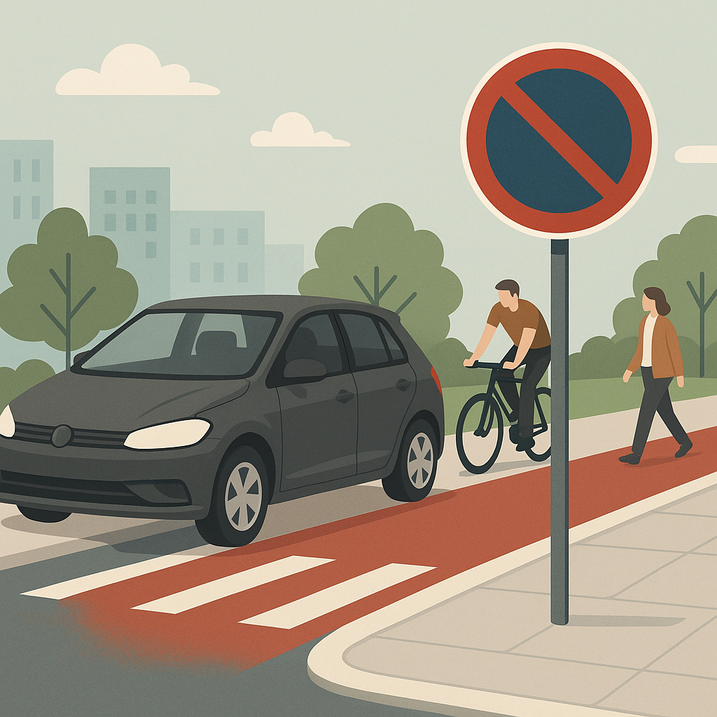
- Cycle Lane Severity: Stopping in a mandatory cycle lane (marked by a solid line) is almost always a strict liability offense, even for loading.
- Safety Zones: Distance requirements apply universally—cars typically cannot park within 5–10 meters (15–30 feet) of intersections or crosswalks.
- Private Enforcement: Private landowners and Housing Associations can enforce their own rules to ensure safety, provided they use clear signage.
- The Solution: Use digital parking management tools like OPARKO to define specific zones, manage permits, and automate enforcement on private land.
Lack of knowledge regarding traffic regulations for parking on pavements and cycle lanes often leads to confusion—and significant fines. For property owners, housing associations, and facility managers, it is crucial to understand how these general rules apply to private land, especially when managing parking in dense urban environments.
In this article, we review the essential standards for parking near cycling infrastructure and walkways, highlighting the responsibilities of property managers. We also look at how parking technology can help you maintain safety and compliance on your estate.
Why are these rules critical for property managers?
Cycle lanes and sidewalks are designed to ensure the safety of vulnerable road users. When vehicles block these areas—even partially—it forces pedestrians into the road and cyclists into moving traffic. This creates liability risks for property owners, particularly regarding the safety of children, the elderly, and people with disabilities (compliance with accessibility laws like the ADA in the US or the Equality Act in the UK).
Furthermore, unclear rules lead to disputes between residents. By establishing clear guidelines on your private land, you minimize conflict and maximize safety.
The general standards: pavements and sidewalks
In many regions, such as London or major US cities, pavement parking is strictly banned. However, outside of major metropolitan hubs, the rules can be a “grey area.”
The “Obstruction” Rule: Even where pavement parking isn’t criminally banned, it is almost always illegal to cause an “obstruction.” Police or local authorities can fine drivers who block passage.
The “Two Wheels Up” Exception: On narrow residential streets, some local authorities or private estates allow vehicles to park with two wheels on the curb to keep the road clear for emergency vehicles. However, this is usually conditional on leaving sufficient space (typically 1 meter or more) for a wheelchair or double stroller to pass safely.
Note: As a private landowner, you have the right to prohibit this entirely on your land to prevent damage to expensive paving stones and curbs.
The red line: parking on cycle lanes
Rules regarding cycle lanes are generally stricter than those for pavements due to the speed of cycle traffic.
- Mandatory Lanes (Solid Lines): It is generally illegal to drive, stop, or park in a cycle lane marked by a solid white line during its hours of operation. There are rarely exceptions to this rule.
- Advisory Lanes (Broken Lines): While drivers are discouraged from parking in advisory lanes, it is often not a criminal offense unless accompanied by other restrictions (like yellow lines). However, on private land, you should strictly enforce “No Parking” in these areas to protect cyclists.
Safety zones and distance requirements
Regardless of whether the land is public or private, safety zones must be respected to maintain visibility. While specific distances vary by country (e.g., 10 meters in the UK vs. 20-30 feet in the US), general best practices include:
- Pedestrian Crossings: No stopping or parking within close proximity (approx. 5–10 meters) to ensure drivers can see pedestrians stepping out.
- Intersections/Junctions: No parking within 10 meters of a junction to allow turning vehicles enough turning radius and visibility.
- Driveways: Never block access to entry or exit points.
Motorcycles and scooters
The rules for motorcycles often mirror those for cars. Parking a motorbike on a sidewalk is generally prohibited in city centers unless specific “moto-bays” are marked. On private estates, allowing motorcycles to park on wide pavement areas can be a space-saving strategy, but it requires clear signage and designated zones to avoid cluttering pedestrian access.
The role of digital parking management
For private estates, the confusion surrounding public laws is a major challenge. Drivers often assume that “what is legal on the public street is legal in this car park.” This is not always true.
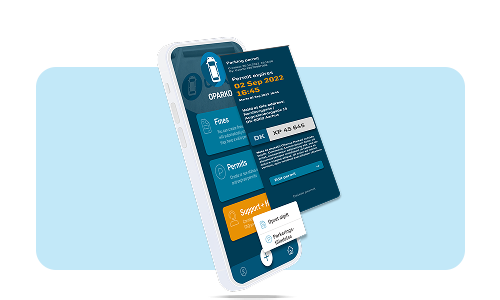
OPARKO offers a digital platform that allows property managers to define their own strict rules and enforce them efficiently. By digitizing your parking management, you can:
- Define Zones: Clearly mark “No Parking” zones (like fire lanes or sidewalks) in the backend.
- Automate Permits: Issue digital permits for residents, ensuring only authorized vehicles are on-site.
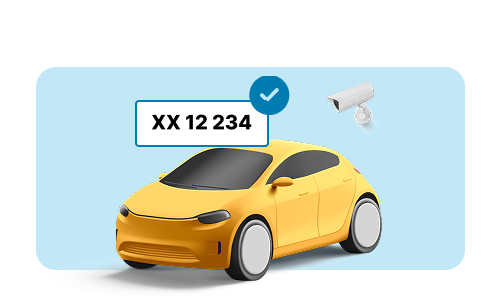
- Streamline Enforcement: Use Automatic Number Plate Recognition (ANPR) or mobile patrols to identify vehicles blocking cycle paths or walkways.
- Reduce Administration: Handle appeals and permit issuance automatically.
Tips for responsible estate management
- Signage is Key: Since public laws vary, your private land must have clear signage indicating if pavement parking is allowed or banned.
- Digital Whitelisting: Use a digital system to whitelist delivery drivers or contractors for short periods in loading zones, keeping them off the sidewalks.
- Eliminate Ambiguity: If you allow “two wheels up” parking, mark lines on the pavement to show exactly how far onto the curb a car may go.
Frequently asked questions
Can I stop briefly in a cycle lane to drop someone off?
Generally, no. In most jurisdictions, stopping in a mandatory cycle lane is a strict liability offense due to the immediate danger it causes cyclists.
How do I know the rules for a specific area?
On public roads, check the Highway Code or local traffic ordinances for your specific city. On private land, refer to the signage displayed at the entrance of the property.
Can a private housing association set its own parking rules?
Yes. Private landowners can generally set terms and conditions for parking on their land, provided they are clearly displayed (via signage) and do not violate overriding laws (such as blocking fire hydrants).
A future-proof alternative to traditional enforcement
Many of the safety issues caused by improper parking can be solved with better management and clearer communication. OPARKO provides the tools necessary for property owners to move away from confusion and towards compliance. By using digital management, you protect your residents, ensure accessibility for pedestrians, and reduce administrative headaches.
Read more about our digital parking solution and discover how you can improve safety and reduce administration on your property.