

Parking charges and appeals – everything you need to know
Parking charges and appeal processes are topics that many vehicle owners eventually encounter. Whether you operate a private parking facility, sit on a board for a housing association, or simply want to understand your rights as a driver, it is crucial to know the general rules and procedures regarding parking management. At OPARKO, we offer digital parking solutions that not only simplify the administration of parking areas but also create transparency and an efficient framework for both enforcement and complaint handling globally.
What are parking charges?
When discussing parking enforcement internationally, it is important to distinguish between the different types of charges, as the legal basis often varies:
- Public Parking Penalties: These are statutory fines issued by local authorities or municipalities for parking violations on public streets or government-owned land. They are often classified as civil offenses or minor traffic violations depending on the country.
- Private Parking Charges: These are fees issued by private operators or landowners. In many jurisdictions (such as the UK, US, and parts of Europe), these are not criminal fines but “invoices” based on Contract Law. By parking on the land, the driver accepts the Terms and Conditions aimed at managing the space.
- Trespass or Towing Fees: In some regions, parking without authorization may be classified as trespassing, potentially leading to vehicle removal or specific fees, although regulations on clamping and towing vary significantly by country.
Regardless of the type, these charges are usually subject to regulatory frameworks to ensure that costs remain reasonable and transparent.
Who decides the rules?
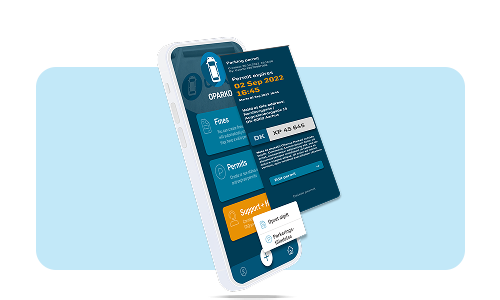
In public spaces, local councils or municipalities determine the pricing and enforcement levels. On private land, it is the landowner—such as a housing association, business, or property developer—who sets the terms, often in collaboration with a parking operator. This is where Oparko comes in. Our digital parking solution allows owners to manage permits, monitoring, and payments in one place—digitally and intuitively.
Common reasons for parking charges
- Missing or insufficient payment: Failing to pay for the full duration of the stay.
- Failure to register a digital permit: In modern systems, entering the wrong license plate number in an app or kiosk is a common error.
- Overstaying the time limit: Exceeding the maximum allowed time posted on signage.
- Parking outside designated bays: Using disabled spots, electric vehicle charging zones, or reserved areas without the proper authorization.
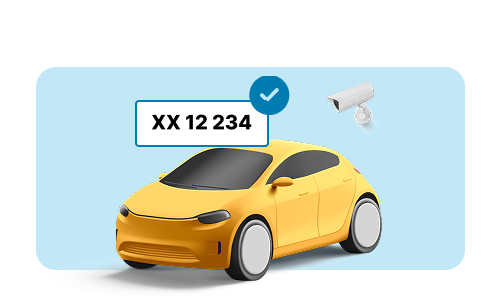
When such breaches occur, a charge may be issued. If the area is monitored by Automatic Number Plate Recognition (ANPR) cameras, the incident is documented automatically and objectively.
The importance of clear signage
Signage is the legal foundation for parking enforcement on private land. For a driver to be bound by a contract, the terms must be displayed clearly. In many international jurisdictions, signs must be “prominent and clear” at the entrance and throughout the site, outlining tariffs, time limits, and the consequences of breaching the rules.
Digital signage and camera enforcement are increasingly ensuring clear and objective controls. OPARKO’s digital systems integrate seamlessly with physical infrastructure, providing real-time data to ensure accuracy and fair enforcement.
What does the law say?
While specific traffic acts govern public roads, private parking is generally governed by Contract Law. When a driver enters private land and parks, they are entering into a contract with the landowner based on the signage displayed. If they breach these terms (e.g., by not paying), they agree to pay the “Parking Charge” listed on the sign.
Enforcement on private land must usually be carried out by authorized entities or qualified personnel. This mechanism protects drivers from rogue operators and ensures that charges are issued lawfully.
How to handle appeals and complaints
If you receive a parking charge, you have the right to appeal—and you should do so quickly and with evidence. The first step is to identify the issuer (public authority or private operator), as this dictates the appeal process.
Valid grounds for an appeal often include:
- Unclear or obstructed signage: If the terms were not visible.
- Technical errors: Faulty payment machines or app glitches.
- Mitigating circumstances: Medical emergencies or vehicle breakdowns (with proof).
- Administrative errors: Incorrect details on the notice.
An appeal should always be supported by documentation such as photos, receipts, or a timeline of events. Most operators provide an online portal, and the deadline to appeal is typically between 14 and 28 days depending on local regulations.
At OPARKO, our platform offers a streamlined process for documenting and communicating directly via the system, ensuring quick, transparent, and digital handling without excessive paperwork.
Understanding the difference: Public vs. private
It is vital to distinguish between public and private parking. On public land, the local government handles enforcement and appeals. On private land, control is managed by a private company on behalf of the owner based on civil contracts. While the rules may look similar, the legal authority and appeal bodies differ.
With OPARKO’s platform, private landowners, housing associations, and property managers can ensure their enforcement protocols align with local regulations while offering drivers fair and efficient service.
Tips to avoid parking charges
Prevention is always better than appealing. Here are some useful tips:
- Read the signs carefully: Look for entrance signs that establish the contract.
- Register correctly: Ensure your license plate is entered correctly in apps or terminals.
- Keep evidence: Retain receipts or digital confirmations.
- Check for time limits: Be aware of maximum stay periods even in “free” parking zones.
- Document the scene: If you are unsure about the rules, take a photo of the car and the signs upon parking.
Digital management via OPARKO’s systems reduces the risk of human error, ensuring clear behavioral guidelines and less confusion.
The digital future of parking – with OPARKO
With OPARKO’s digital parking solution, you get a complete overview, whether you manage a residential area, a hotel, or a retail center. The system is adaptable to your property and covers the entire process:
- Automatic Number Plate Recognition (ANPR/LPR)
- Online management of permits and payments
- Efficient enforcement with real-time data
- Camera monitoring for security and compliance
- User-friendly digital platform
The solution ensures sustainable parking management and optimized revenue without unnecessary administration. You gain operational reliability, transparency, and a significant reduction in time spent—it is more than just parking; it is intelligent property management.
Summary
Parking charges are an unavoidable part of modern traffic, but with the right knowledge and digital tools, both drivers and landowners can navigate the rules safely. Whether you want to avoid fines or are responsible for operating a car park, OPARKO’s digital solutions create a solid foundation for professional, sustainable, and user-friendly parking management.
Do you want to know more about how to make parking easier and more efficient on your property?