

Airport Parking Guide: How to Find the Best Rates in the UK and USA
When planning a trip, booking flights and hotels usually takes priority. However, one of the most overlooked costs of travel is airport parking. Whether you are a business traveler in the UK or a family going on vacation in the US, parking fees can quickly eat into your travel budget if not managed correctly.
In this global guide, we break down how airport parking economics work, the difference between “on-airport” and “off-airport” options, and how to avoid the dreaded “drop-off taxes.” We also look at the rising trend of digital parking management for landowners.
The “Kiss and Fly” Trap: Drop-off Fees vs. Cell Phone Lots
One of the biggest shocks for travelers in recent years is the cost of simply dropping someone off. The rules vary significantly between the UK and the US.
In the United Kingdom: Most major airports (such as Heathrow, Gatwick, and Manchester) have introduced mandatory “Drop-off Charges.” Driving into the forecourt to drop a passenger off can cost between £5 and £7 for just 5-10 minutes. Tip: To avoid this, look for the “Long Stay” parking lots. They often offer a “free for 30 minutes” window with a free shuttle bus to the terminal.
In the United States: The challenge here is strict traffic enforcement. You cannot idle at the curb. Instead, use “Cell Phone Lots.” These are free parking areas designated for drivers to wait in their cars until the arriving passenger calls to say they are at the curb with their luggage. This saves you from circling the terminal and getting a ticket.
Service Types: On-Airport, Off-Airport, and Meet & Greet
Understanding the “tiers” of parking is the key to saving money. Pricing is rarely fixed; it is dynamic, similar to airline tickets.
1. On-Airport Parking (Official)
These lots are owned by the airport authority. They are the most convenient but also the most expensive. “Short Stay” is charged by the hour (astronomical costs for long periods), while “Long Stay” is charged by the day. These are best for business travelers expensing the cost.
2. Off-Airport Parking (Third-Party)
Located a few miles from the airport, these private operators (like The Parking Spot in the US or Purple Parking in the UK) offer significantly lower rates. They rely on frequent shuttle buses to get you to the terminal. While cheaper, you must factor in an extra 20-30 minutes of travel time.
3. Meet & Greet (Valet)
You drive to the terminal, hand your keys to a driver, and walk straight to check-in. While convenient, this sector is plagued by “rogue traders.”
Crucial Advice: In the UK, always look for the “Park Mark” logo. This ensures the facility has been vetted by the police. Without it, your car might be parked in an unsecured field.
The Golden Rule: Never “Turn Up and Park”
The biggest mistake travelers make is driving to the airport without a booking. This incurs the “Gate Rate” or “Turn-up Rate,” which can be 3 to 5 times higher than the online price.
The 60% Rule: Industry data suggests that booking your parking spot at least two weeks in advance can save you up to 60% compared to paying on the day. Even booking one hour before arrival via a mobile app is usually cheaper than pressing the button at the entry barrier.
Hidden Costs: Environmental Zones
Before driving to the airport, check the local environmental regulations.
- UK: Driving to Heathrow involves entering the Ultra Low Emission Zone (ULEZ). If your car doesn’t meet emissions standards, you must pay a £12.50 daily charge on top of your parking fee.
- USA: Be aware of toll roads and congestion pricing leading into major hubs like JFK or Newark.
Comparison of Parking Tiers
Short Stay
- Cost Profile: High (Hourly)
- Convenience: Very High (Walk to terminal)
- Best For: Pick-up / Drop-off
- Risk Factor: Accidental overstay fines
Long Stay
- Cost Profile: Medium (Daily)
- Convenience: Medium (Shuttle bus)
- Best For: Family Vacations
- Risk Factor: Bus delays
Off-Airport
- Cost Profile: Low (Budget)
- Convenience: Low (Shuttle bus required)
- Best For: Budget Travelers
- Risk Factor: Variable security standards
Meet & Greet
- Cost Profile: Premium
- Convenience: Maximum
- Best For: Business / Heavy Luggage
- Risk Factor: Rogue operators (Check reviews)
A Modern Approach to Parking Management
While travelers look for the best deals, landowners near airports are looking for ways to manage the demand. The parking industry is moving away from ticket machines and barriers toward digital automation.
This creates a massive opportunity for hotels, businesses, and private landowners located near transport hubs. By digitizing their parking spaces, they can generate passive income from travelers looking for alternatives to expensive official airport lots.
The OPARKO Solution
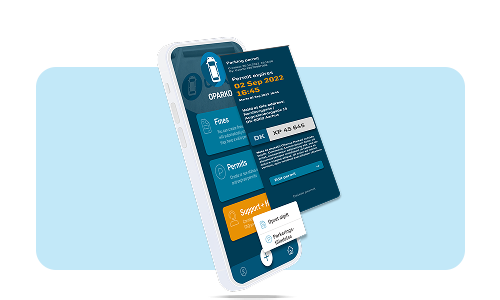
OPARKO offers a complete digital platform for managing parking facilities without the need for physical staff or barriers. This is ideal for facility managers and landowners near busy travel hubs.
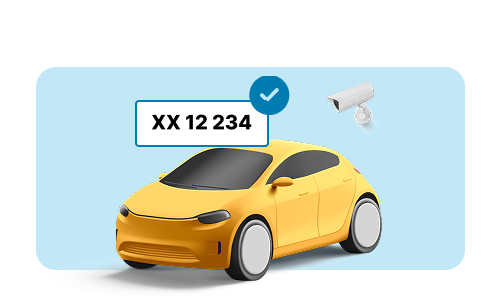
- ANPR (Automatic Number Plate Recognition): Seamless entry and exit.
- Automated Billing: No cash handling; payments are processed online.
- Digital Permissions: Easily whitelist staff or guests while charging travelers.
- Revenue Generation: Turn empty asphalt into a revenue stream.
For property owners, this removes the administrative headache of parking while capitalizing on the high demand near airports.
Frequently Asked Questions
How far in advance should I book airport parking?
Ideally, 2 to 4 weeks before your trip. However, booking even 24 hours in advance will almost always save you money compared to the drive-up rate.
Is it safe to park in “Off-Airport” lots?
Generally, yes. In the UK, look for the “Park Mark” award. In the US, look for well-lit, fenced lots with 24-hour surveillance.
Do airports have EV charging stations?
Most major international airports now offer EV charging, usually in the Premium or Short Stay garages. However, these spaces are limited and should be pre-booked.
What is the “Grace Period”?
In the UK, private car parks usually have a mandatory 10-minute grace period after your paid time expires before they can issue a fine. In the US, this varies by state and operator.
Conclusion
Airport parking has evolved from a simple necessity into a complex market of dynamic pricing and digital apps. Whether you are avoiding drop-off fees in London or finding a cell phone lot in Los Angeles, the key is planning ahead. Never pay at the gate, and always check the security rating of third-party providers.
For landowners and facility managers, the surge in travel represents an opportunity. Using digital tools like OPARKO allows for efficient, automated management of parking assets, turning complex administration into a streamlined, profitable operation.